



Get An Oil Change
Your Nearest Store:
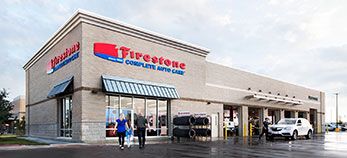
7980 S Broadway
Littleton, CO
303.515.7308
Most stores are open nights and weekends

| Day(s) | Hours |
|---|---|
| MON-FRI: | 7:00am-7:00pm |
| SAT: | 7:00am-6:00pm |
| SUN: | 9:00am-5:00pm |
| July 4th: | Closed |
Schedule Service
Your Nearest Store:
7980 S Broadway
Littleton, CO
303.515.7308
Most stores are open nights and weekends
| Day(s) | Hours |
|---|---|
| MON-FRI: | 7:00am-7:00pm |
| SAT: | 7:00am-6:00pm |
| SUN: | 9:00am-5:00pm |
| July 4th: | Closed |
Search For Batteries
All fields are required
Alignment Service
All fields are required
BRIDGESTONE TIRES AT FIRESTONE COMPLETE AUTO CARE
Find Bridgestone tires at great prices. Shop online and schedule a tire installation appointment at Firestone Complete Auto Care.

SHOP BRIDGESTONE TIRES




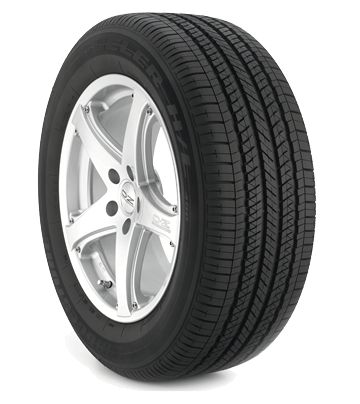
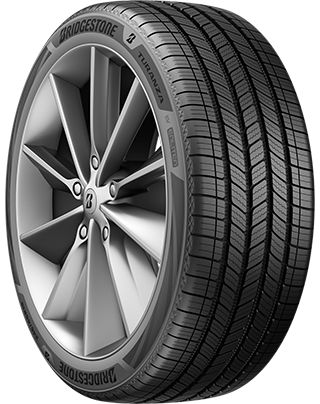

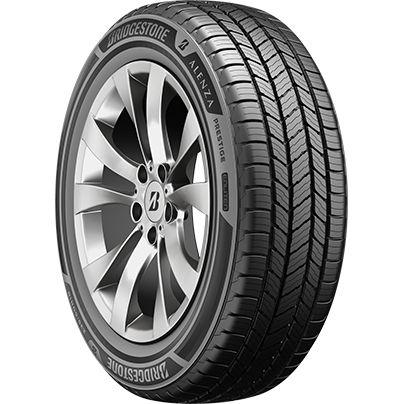

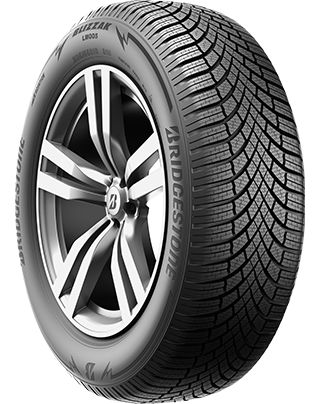
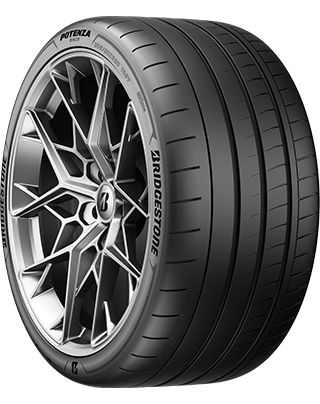
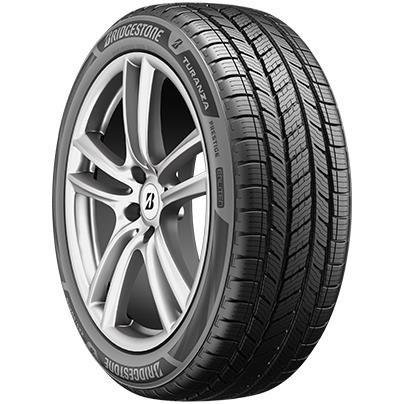
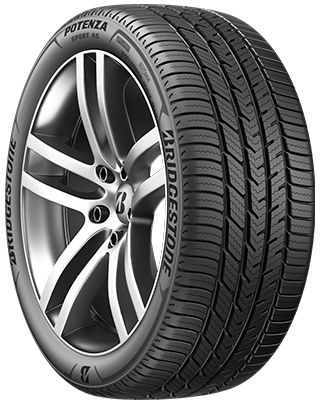
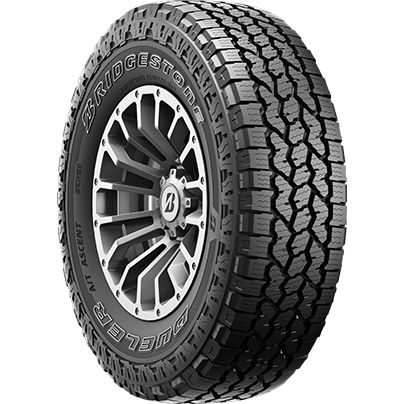

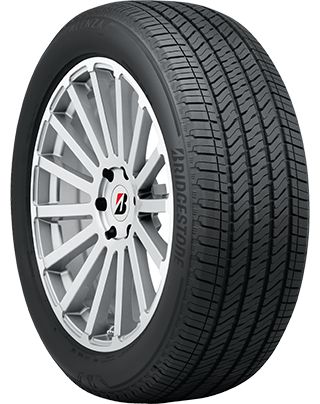
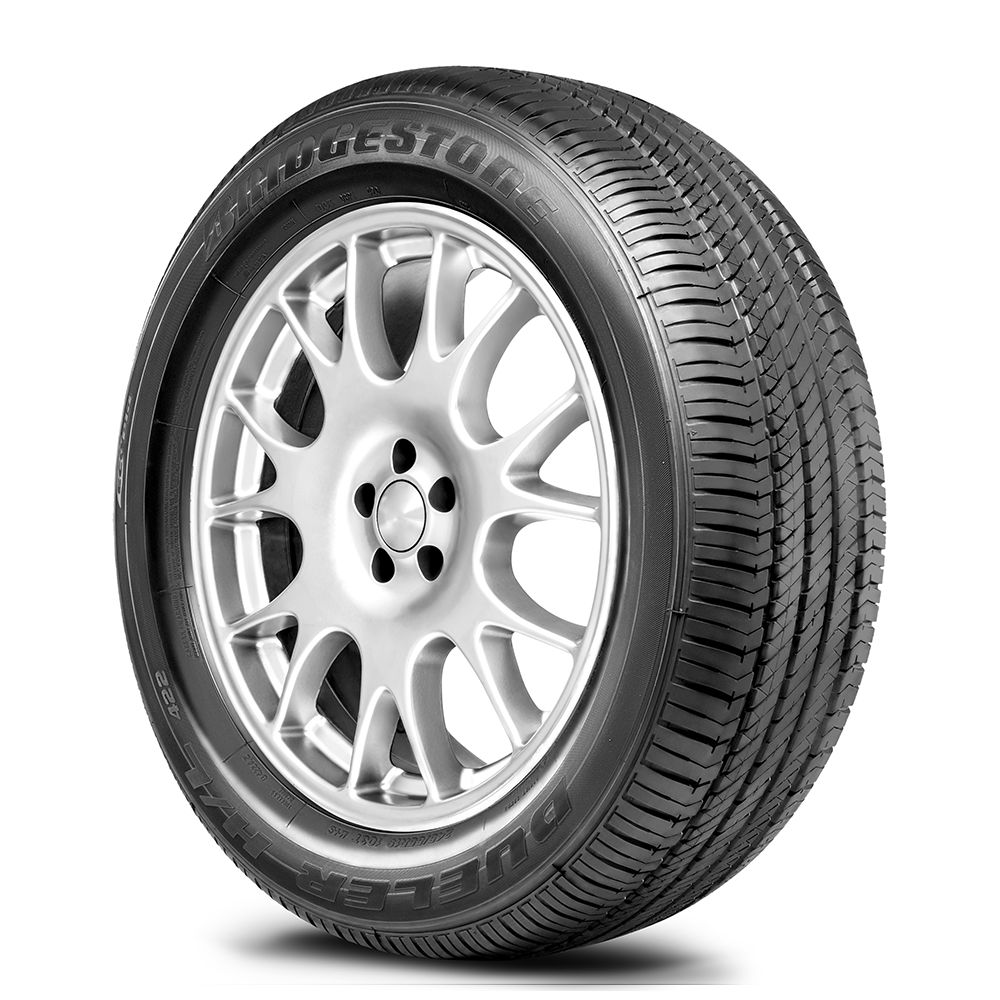
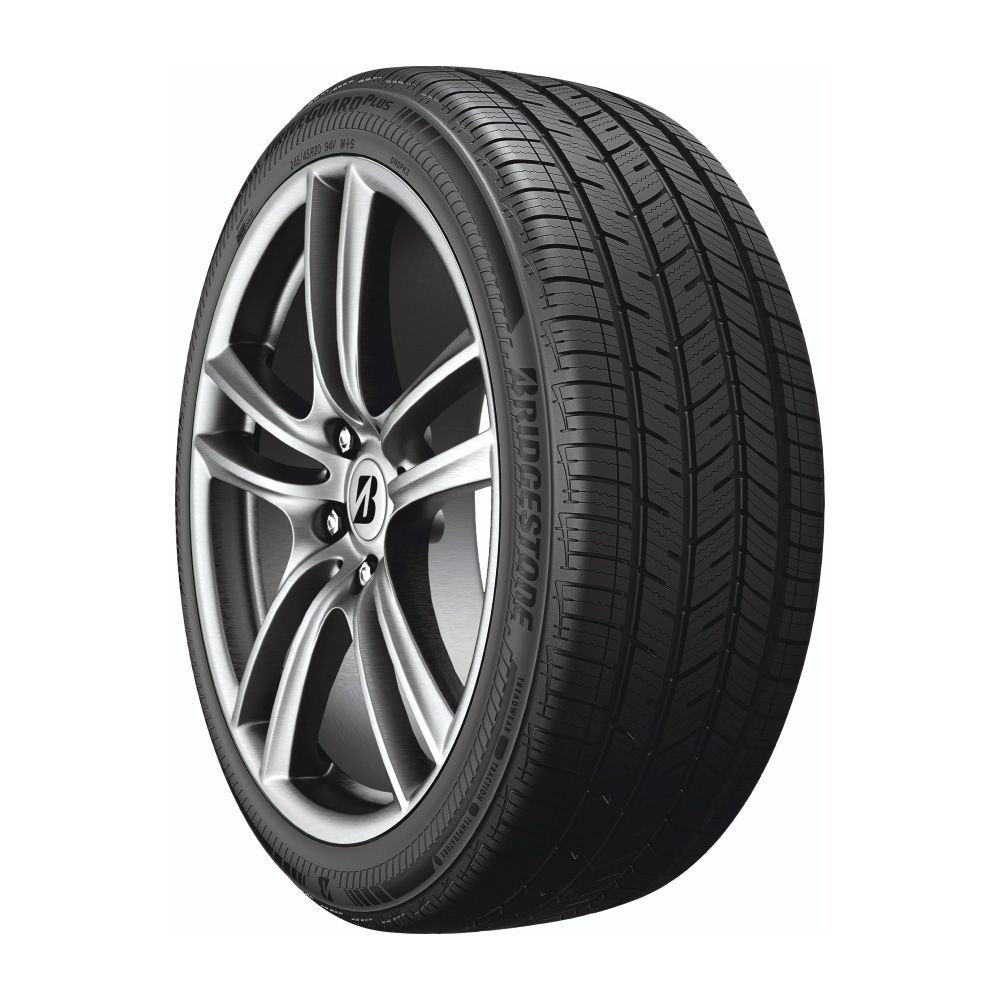
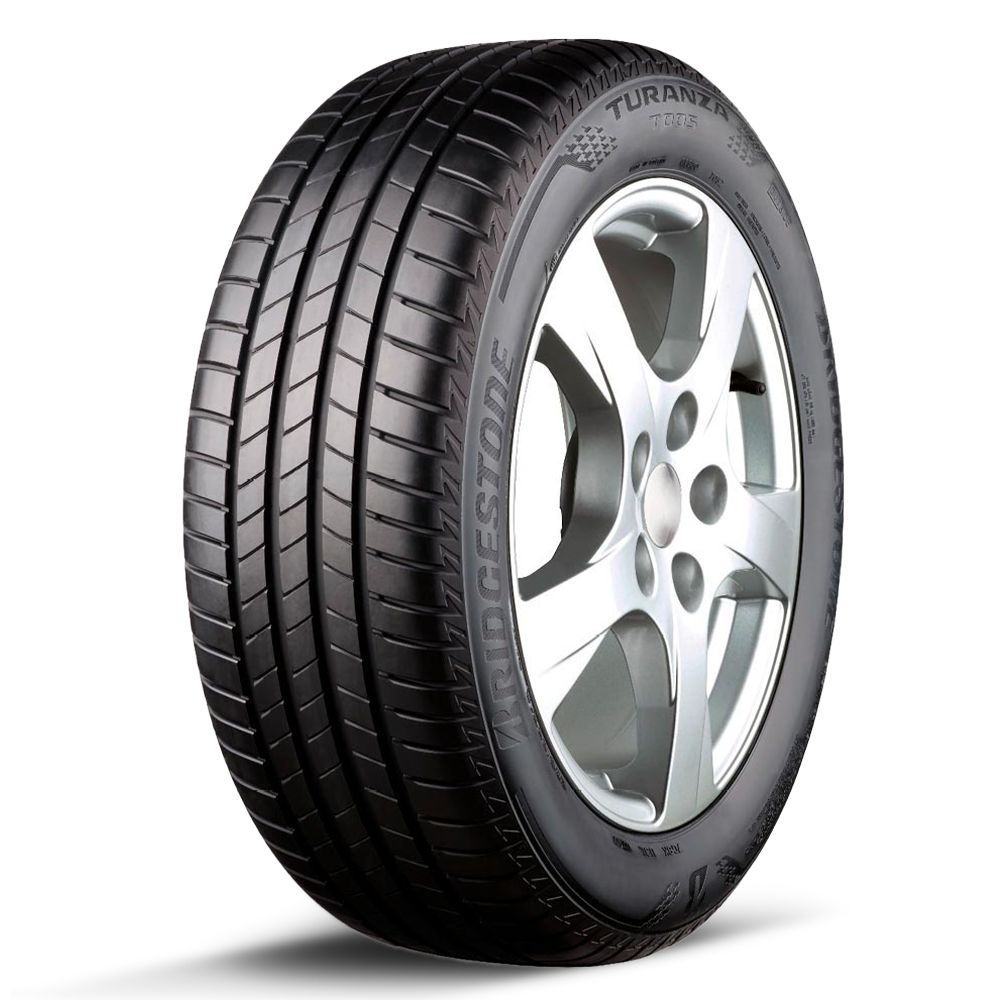
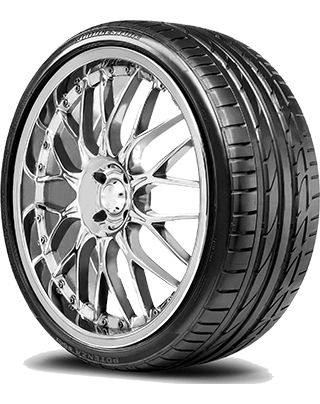
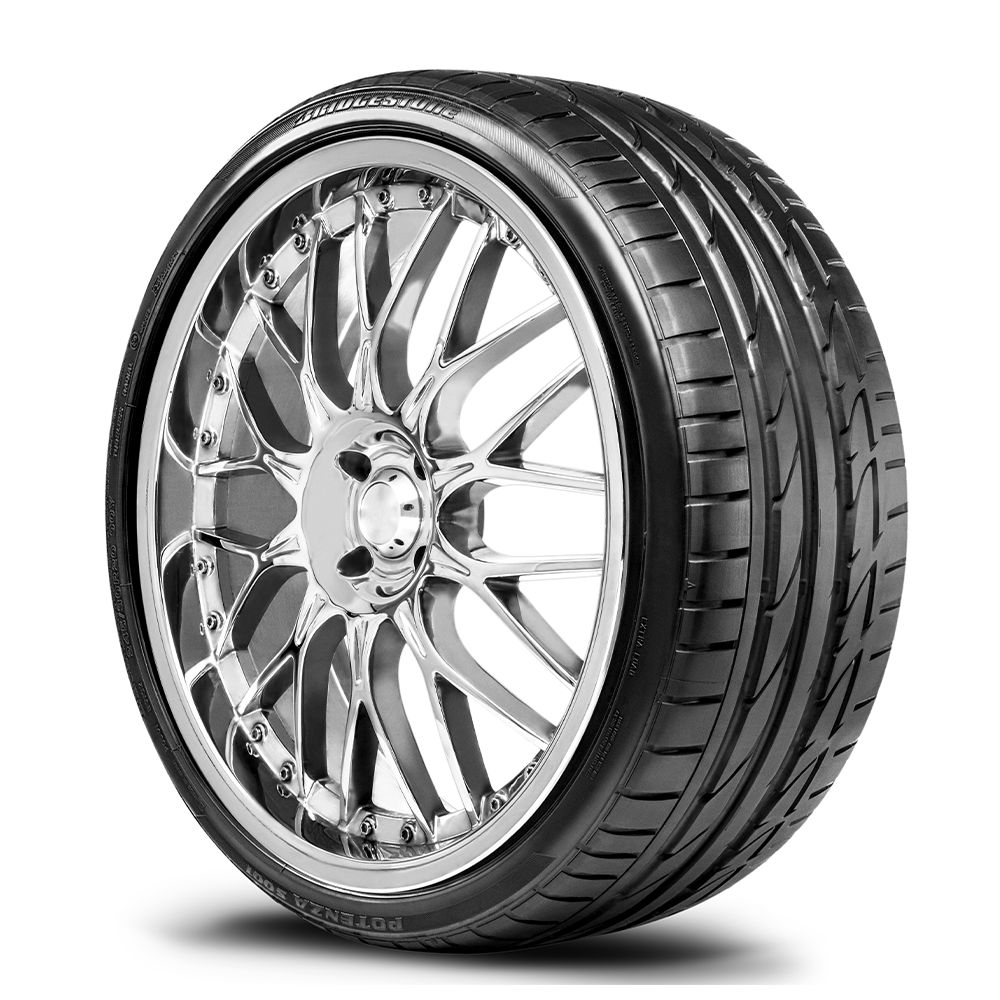
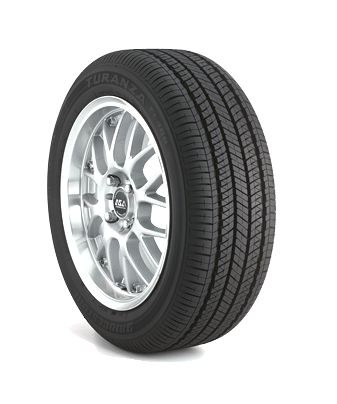
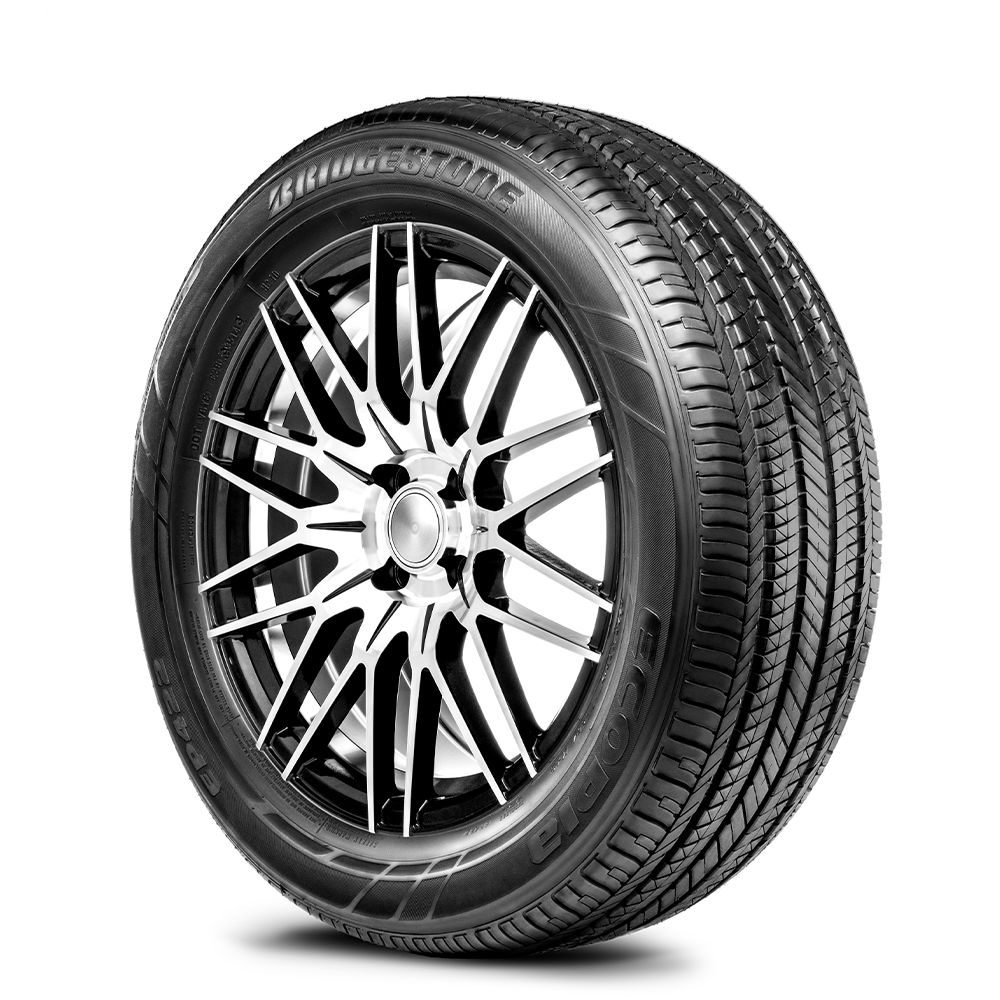
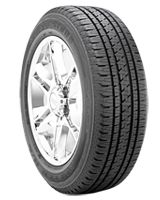
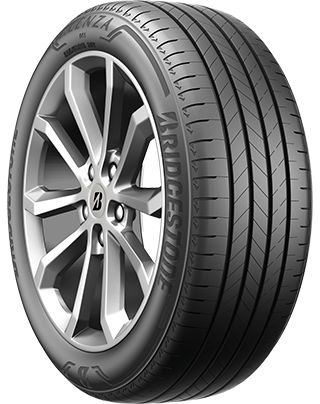
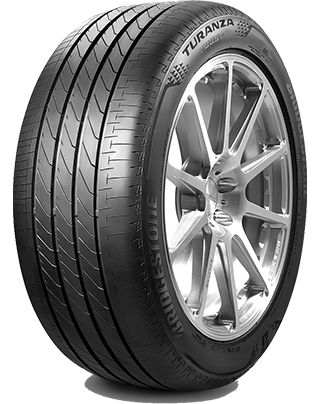
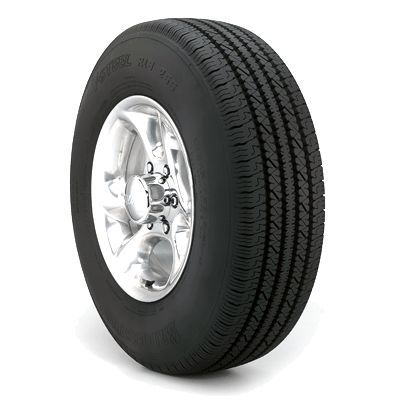

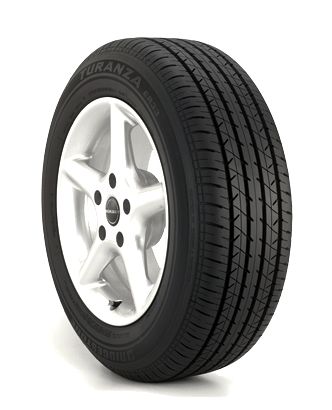

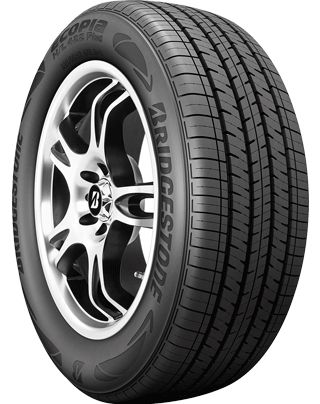
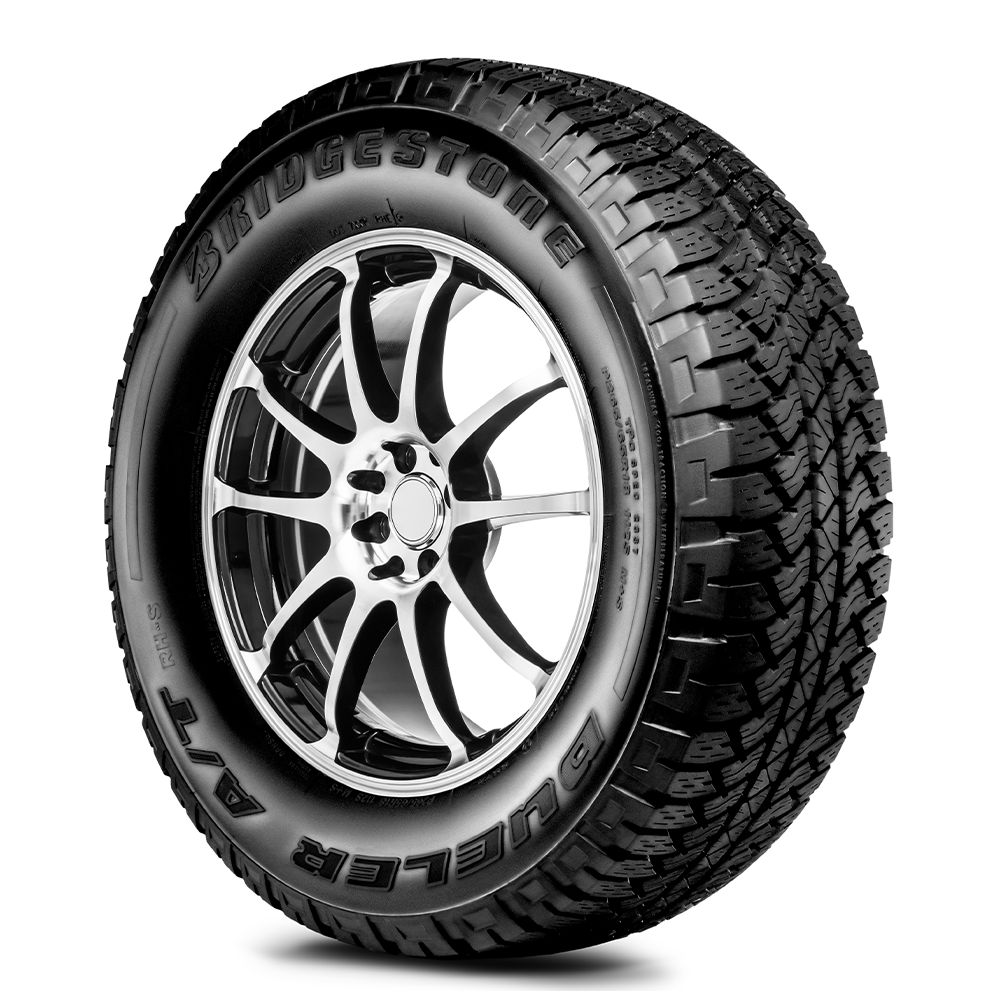
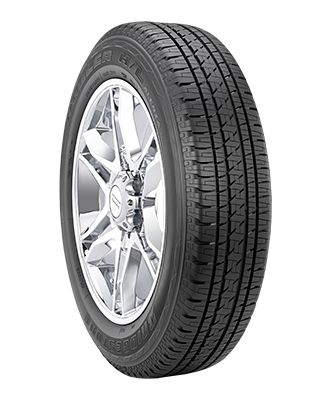
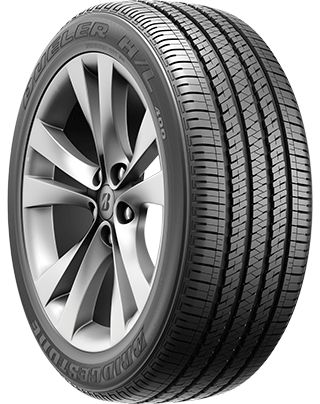
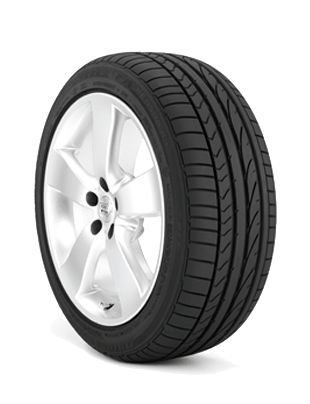
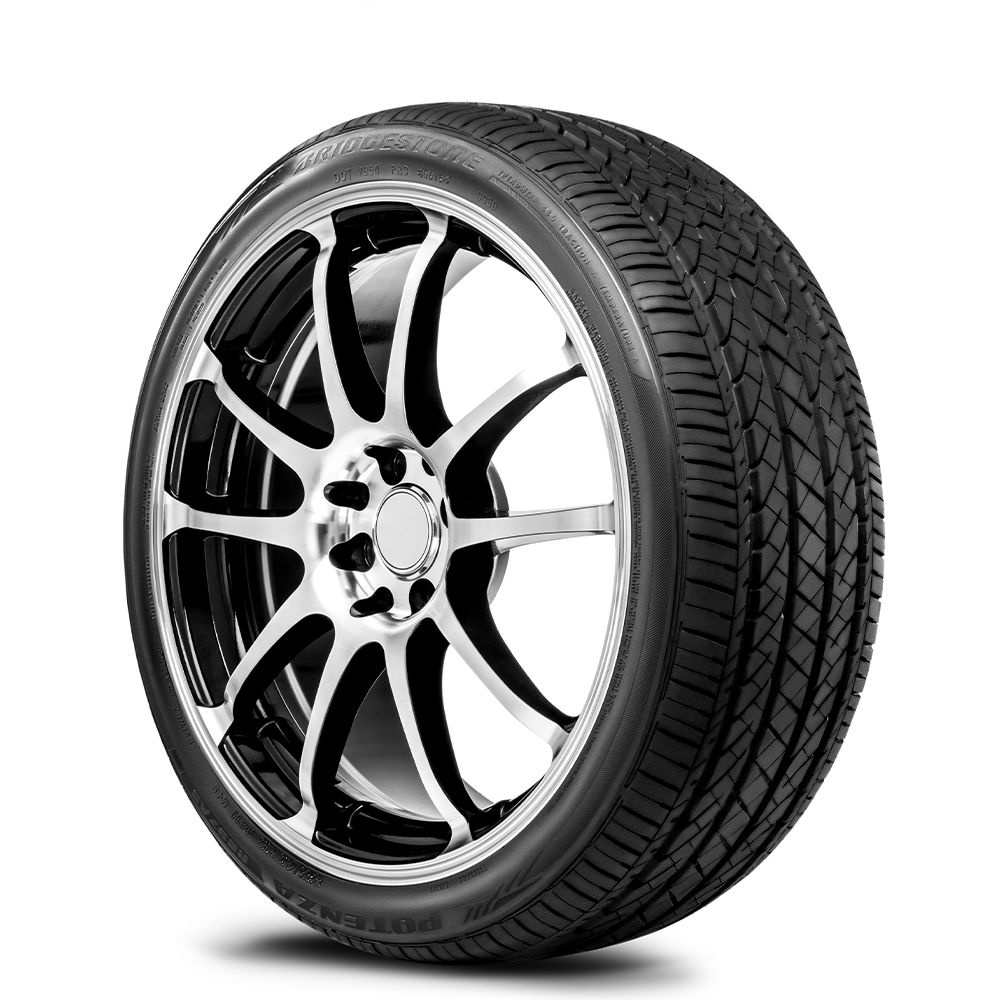
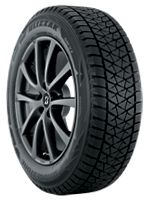
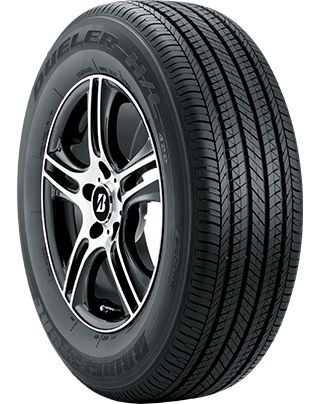
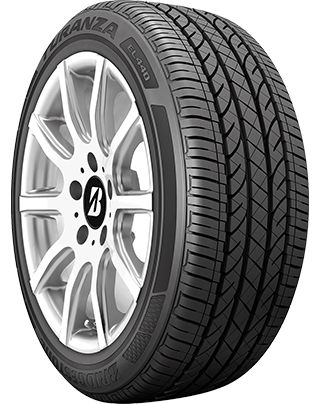
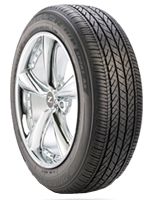
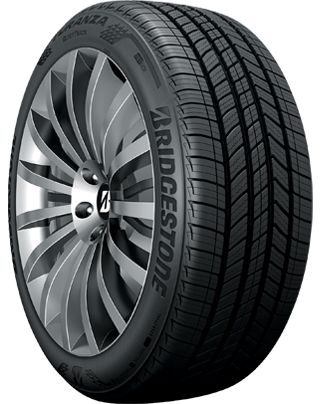
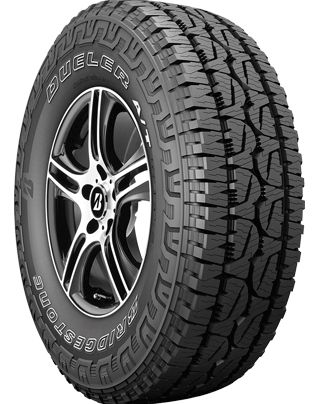
FIND YOUR PERFECT SET OF BRIDGESTONE TIRES
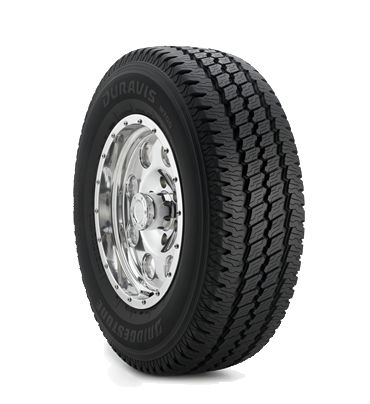
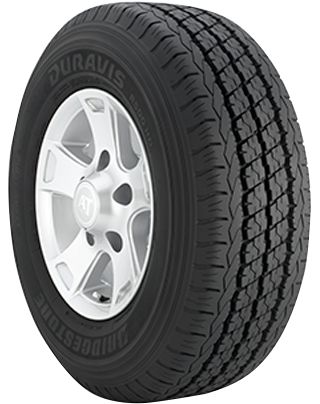
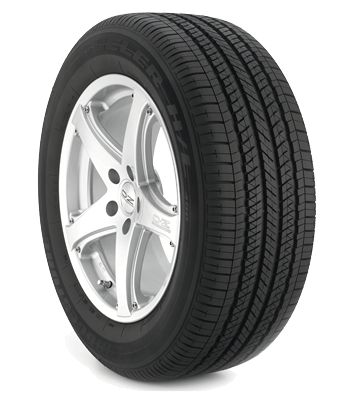
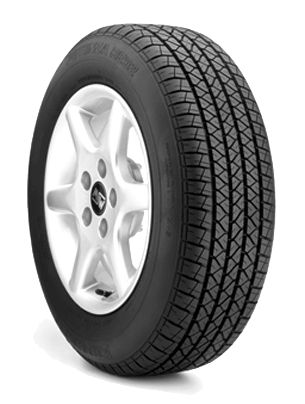
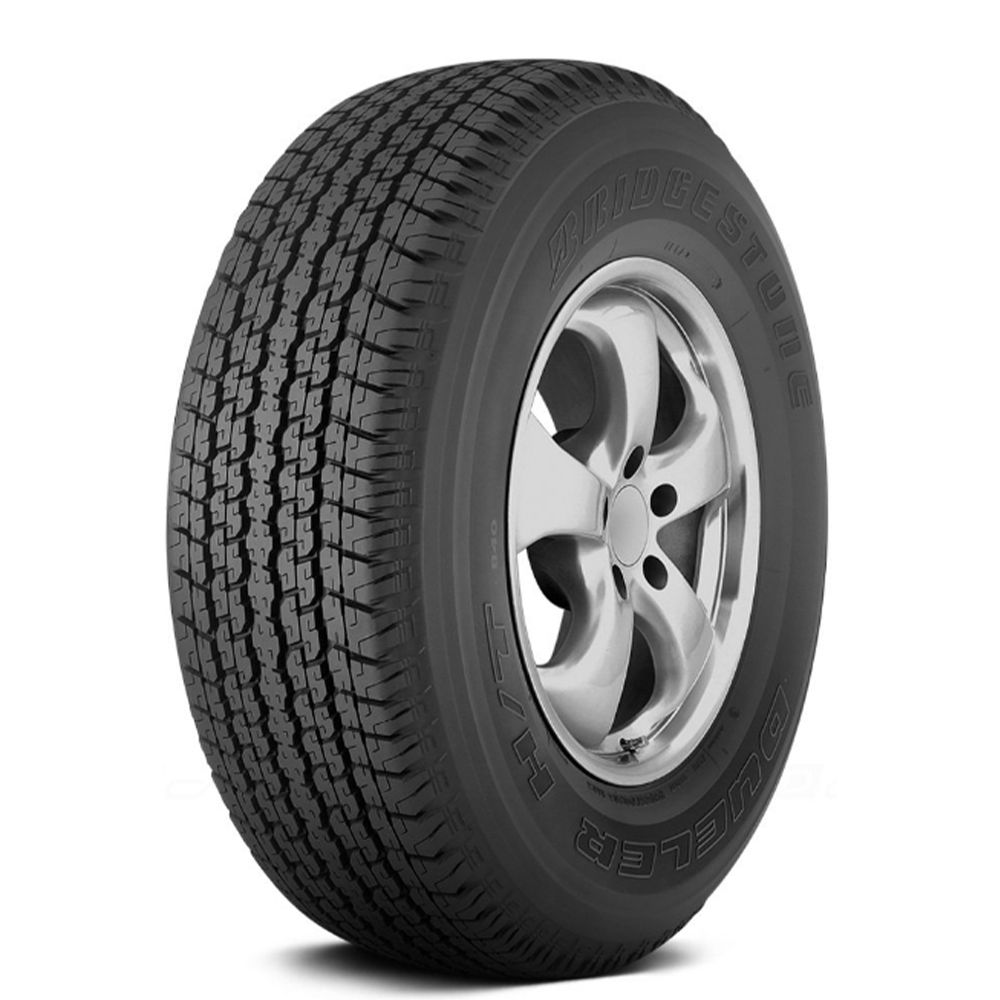
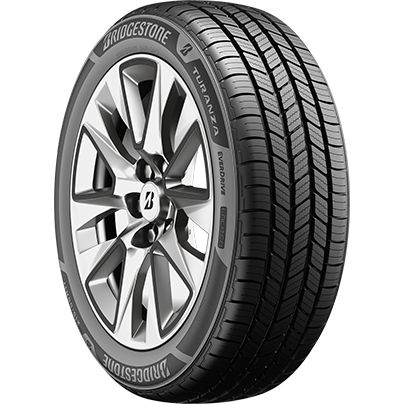
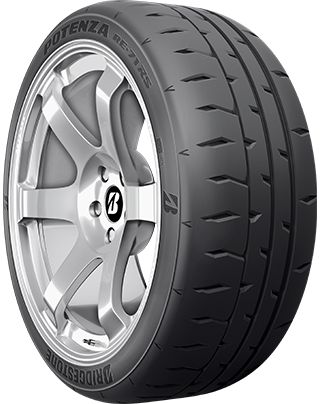
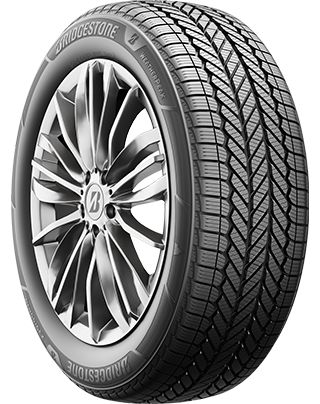
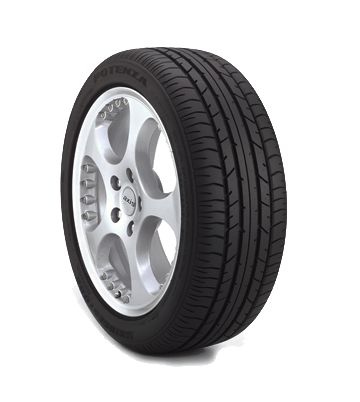
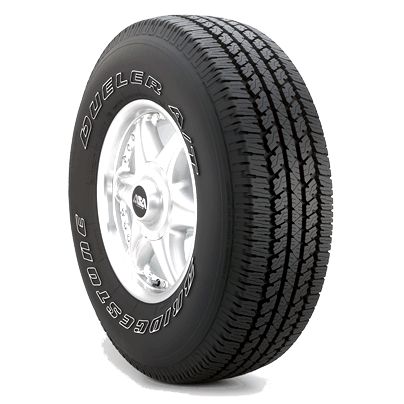
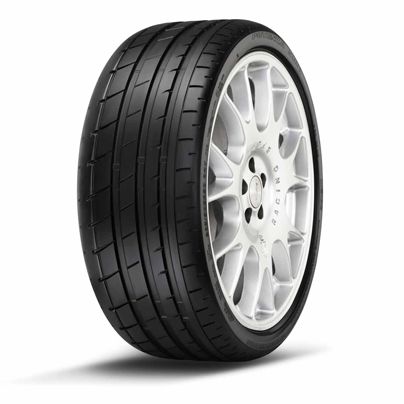
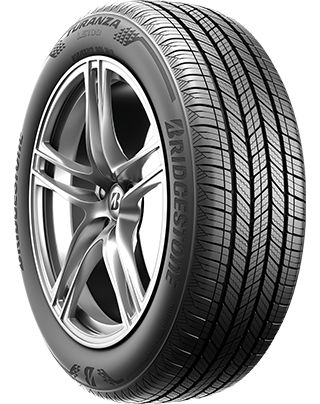
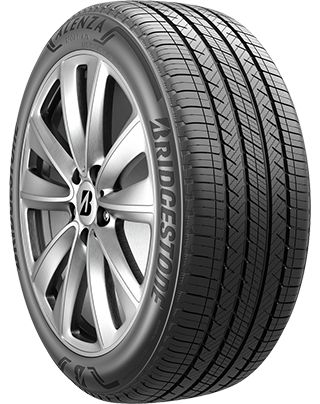
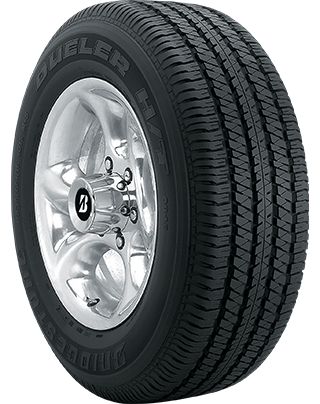
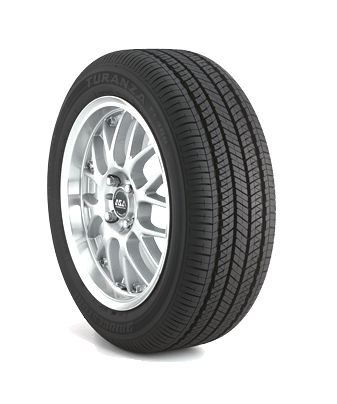
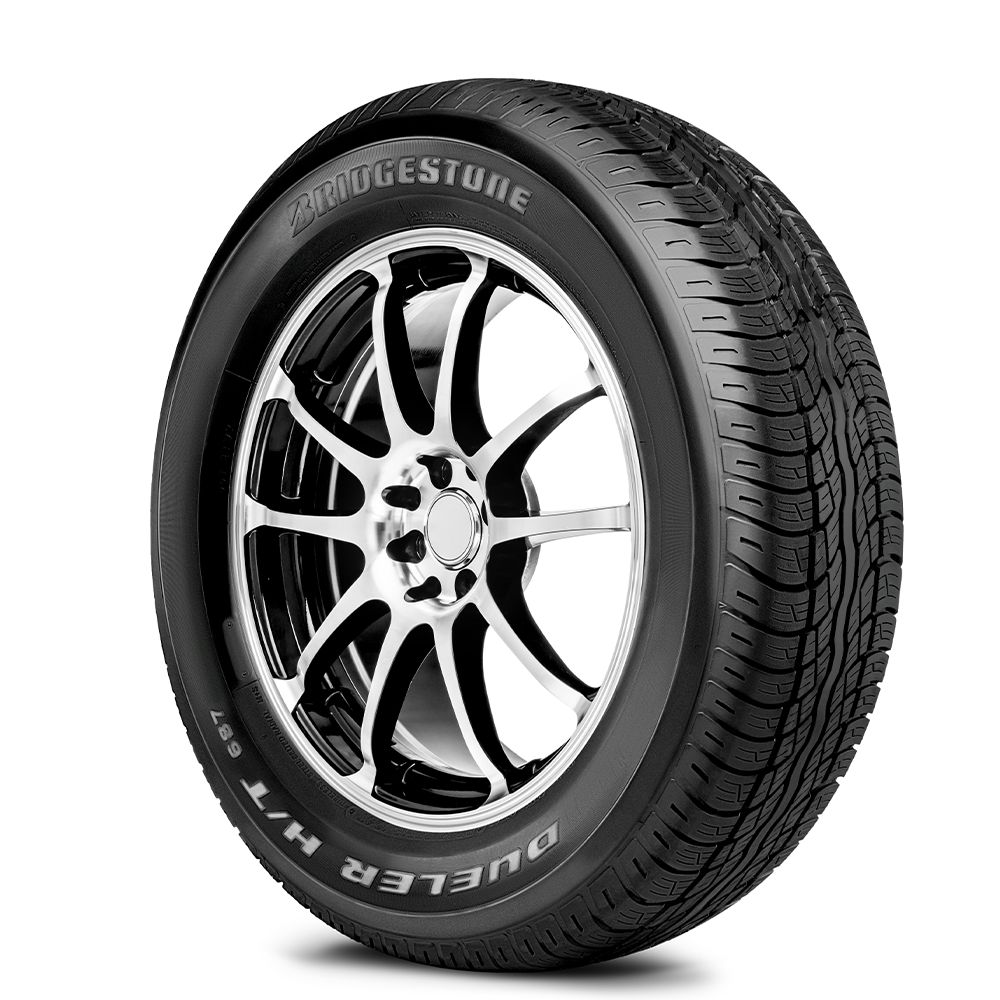
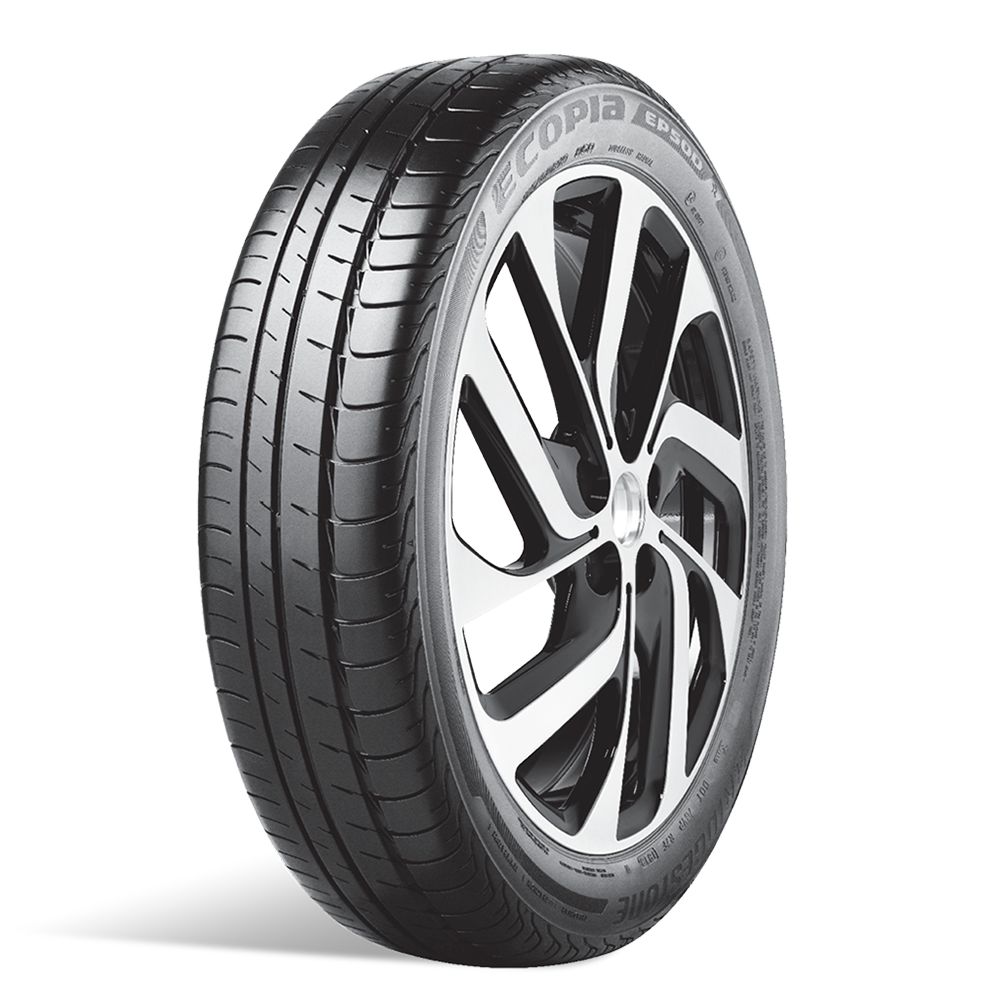
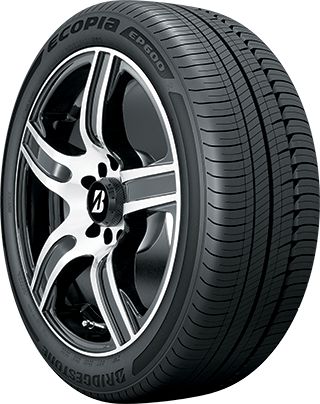
Your local Firestone Complete Auto Care is proud to offer one of the largest inventories of Bridgestone tires, including Bridgestone Potenza performance, Turanza touring, Alenza touring, DriveGuard run-flat, Ecopia fuel-efficient passenger, Dueler light truck and Blizzak winter tires, along with many other tire lines.
Feel the vision of Bridgestone tires: "Our passion for the very best in technology, quality, and service is at the heart of our commitment to you wherever you are in the world." When you need tires, you can rely on Bridgestone. Check out their impressive lines and shop for Bridgestone tires below.
BRIDGESTONE ALENZA™ TIRES
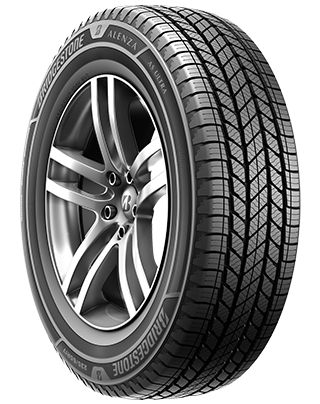
With an excellent balance of wet, winter, and wear performance, Alenza tires are the premium highway touring option for drivers looking for a luxury experience from their CUV, SUV, or truck. Alenza tires help keep you in control of your journey year-round. Engineered with QuietTrack technology for a quiet and comfortable driving experience that perfectly complements your premium SUV, CUV, or truck.
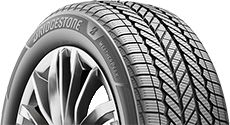
BRIDGESTONE WEATHERPEAK™ TIRES
The Bridgestone WeatherPeak tire pushes the all-season category to new heights, creating a touring tire with true all-weather protection. The Bridgestone WeatherPeak tire keeps you prepared by bringing confident all-weather protection to the touring tire category. Bridgestone’s category-leading wet and winter performance, combined with a quiet, comfortable ride, ensures that you enjoy every mile with the confidence that rain or snow won’t slow you down.
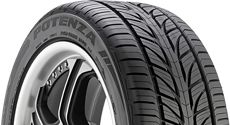
BRIDGESTONE POTENZA™ TIRES
Ready to unleash your driving potential? Potenza performance tires are engineered for smooth, sleek handling so that drivers can get the most out of their sports car or performance vehicle. When you want to make driving as fun as possible, even on wet roads, Potenza tires deliver impressive grip and wet performance to give you ultimate handling and response. The Potenza line features summer and all-season performance, high-performance, and ultra-high-performance tires.
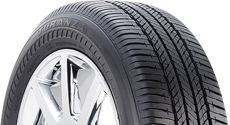
BRIDGESTONE TURANZA™ TIRES
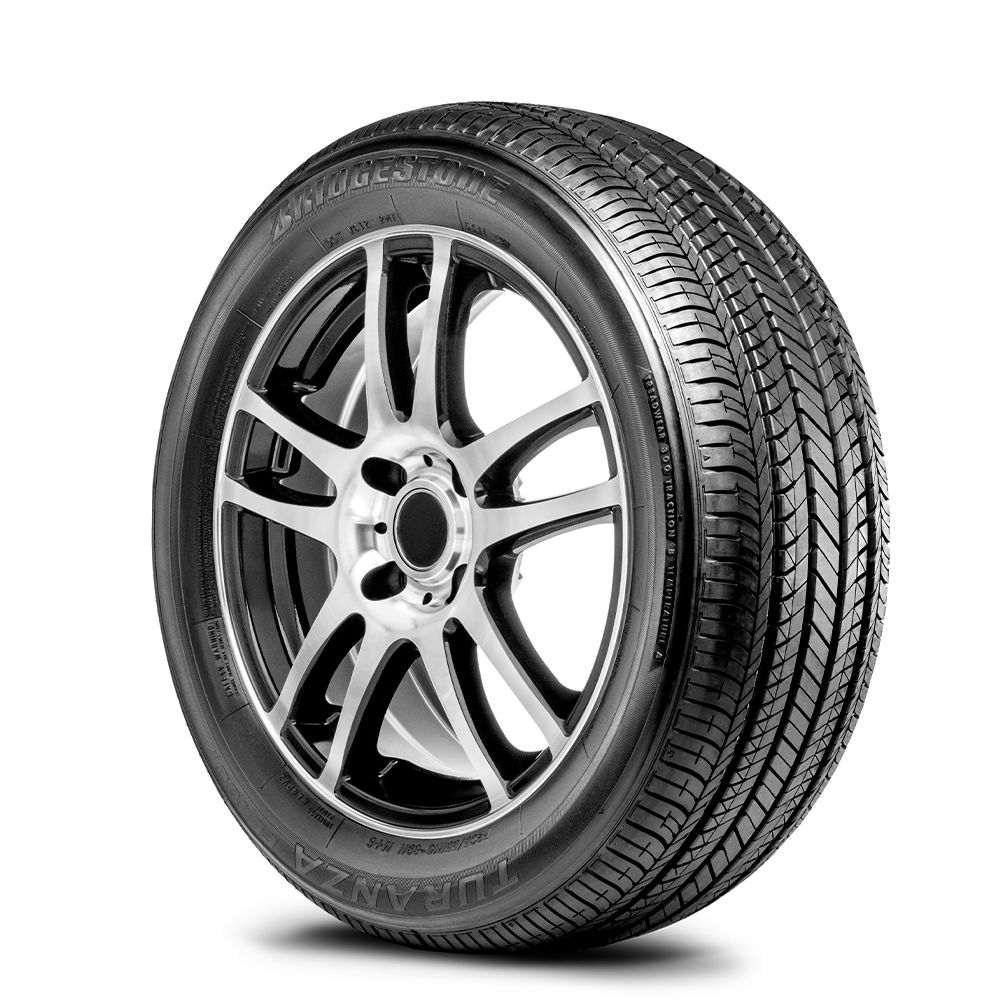
Your vehicle should get you from Point A to Point B comfortably and quietly. Bridgestone Turanza touring tires are designed with this in mind. Turanza tires offer luxury performance with a smooth ride in both wet and dry conditions, thanks to silencer grooves that trap sound within the tire’s tread and an asymmetric sidewall design for ultimate stability. Drivers who prioritize less road noise and more year-round comfort choose Turanza tires for superb all-season performance.
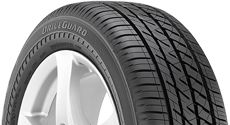
BRIDGESTONE DRIVEGUARD™ RUN-FLAT TIRES
Flat tires happen. With the revolutionary Bridgestone DriveGuard technology, confident handling is paired with the ability to drive up to 50 miles at speeds of up to 50 mph after a tire has been punctured.* No more standing on the side of a busy highway or a dark, deserted street corner. With DriveGuard tires, you’re able to get to a safe location (or even better, your local Firestone Complete Auto Care) to get that flat fixed.
*Up to 50 miles at up to 50 mph. Repairability of DriveGuard tires depends on the tire damage, amount of pressure loss, and vehicle operating conditions.
See technical bulletin P-14-02 for details or call our Technical Hotline at 1-800-847-3272
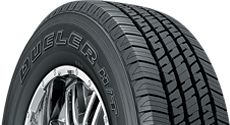
BRIDGESTONE DUELER™ TIRES
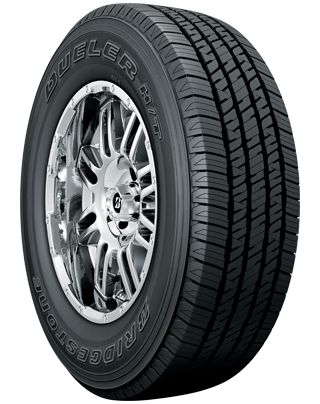
Sometimes the road less traveled is the road for you. Drivers setting out to explore challenging terrain need a set of Dueler light truck and SUV tires. Optimized contact patches provide ultimate control during dry conditions, while silica in the tire’s compound and specialized grooves provide powerful traction during wet conditions. Equipped with unique technologies that deliver easy handling, quick steering response, durability, and long tread life, Dueler tires offer versatile performance for truck, SUV, and CUV drivers.
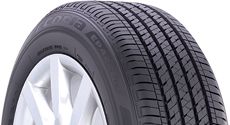
BRIDGESTONE ECOPIA™ TIRES
Taking fewer trips to the gas pump is a triple win: it’s better for your wallet, your schedule, and the planet. With Ecopia tires, engineered to help your car achieve its maximum fuel efficiency, drivers can stretch the time between fill-ups while enjoying reliable all-season performance and comfortable handling. The secret lies in the Ecopia tire’s fuel-saver sidewall and tread compound, which work to help improve rolling efficiency. The more efficiently a tire rolls, the less gas it requires to travel the same distance. Drivers looking to maximize MPG in summer, winter, spring, or fall choose Bridgestone's Ecopia passenger tires.
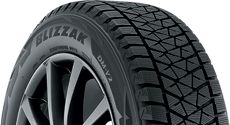
BRIDGESTONE BLIZZAK™ WINTER TIRES
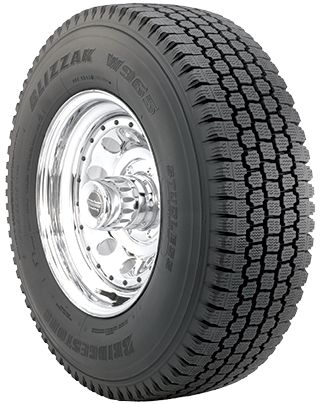
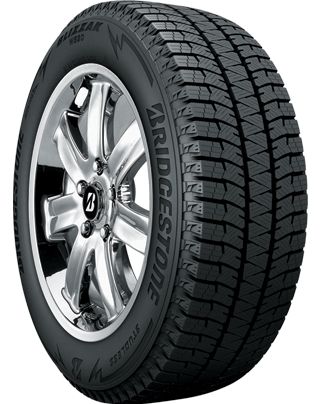
Drivers facing tough winter conditions need tires that are up to the challenge. Blizzak tires are specially designed to perform their best when conditions are their worst. When ice, snow, and slush cover the roads and temperatures hit record lows, Blizzak tires offer the traction and handling you can trust. Utilizing NanoPro-Tech polymers, multi-cell tubes, and 3D Zig Zag Sipes, these tires provide enhanced grip, flex, and bite to ensure you can handle whatever the coldest conditions throw at you.
FIND BRIDGESTONE TIRES AT YOUR LOCAL FIRESTONE COMPLETE AUTO CARE
Browse a wide selection of Bridgestone tires and get a one-on-one consultation with a tire expert at Firestone Complete Auto Care. We'll help you choose the best Bridgestone tires for your budget, car or truck, climate, and driving style.