Coolant 101: Checking Levels, Topping Off, and Knowing When to Flush
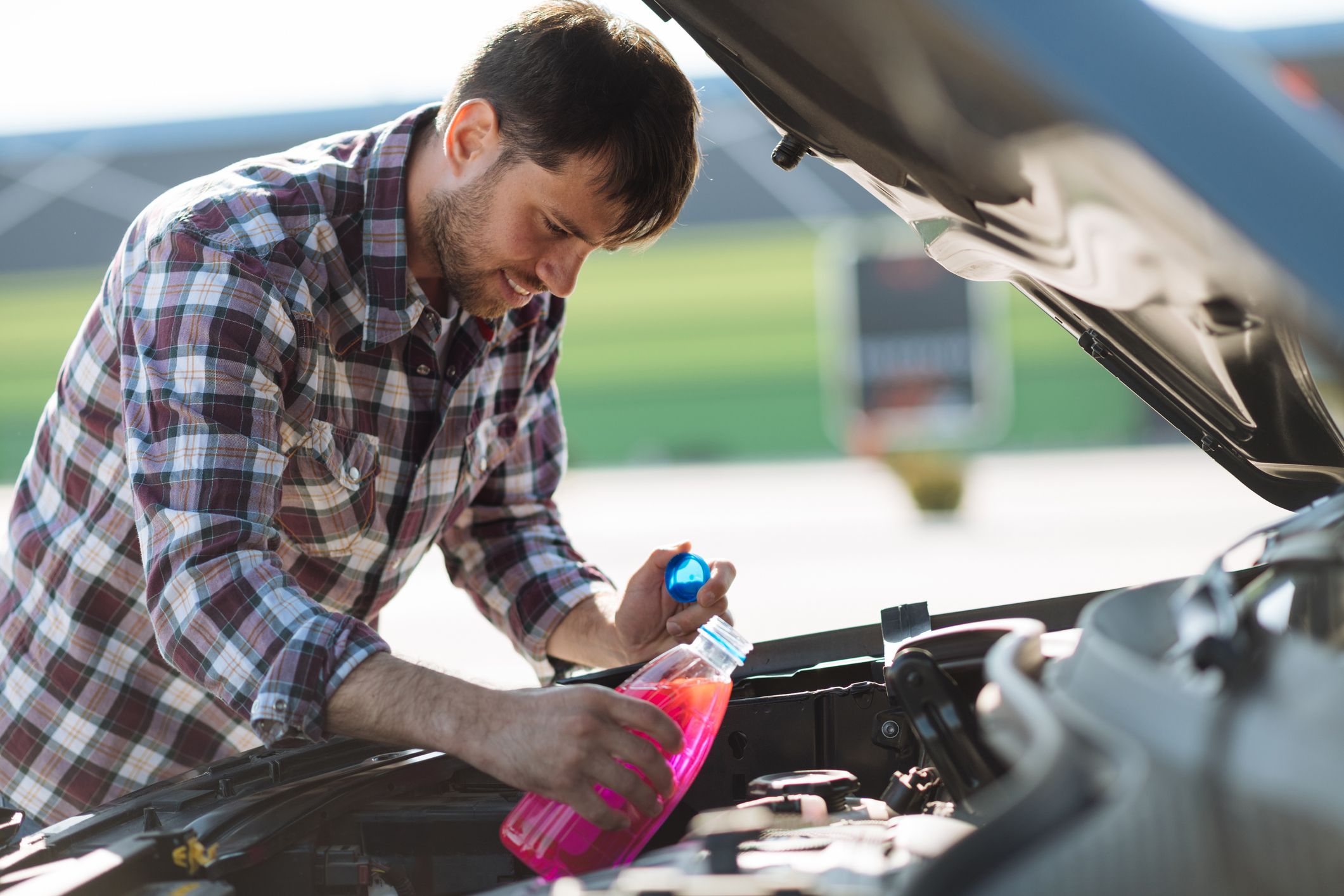
Wondering how to know if your car needs coolant? Learn how to check coolant levels, when it’s time for a coolant flush, and where to go if you need service.
Read More
Safety Note: Overheating can cause severe, irreparable engine damage. If your temperature gauge spikes or steam appears, immediately pull over safely and schedule service.
Your radiator and cooling system play a vital role in keeping your engine from overheating. Over time, components like the thermostat, hoses, belts, radiator cap, and water pump can wear out—making routine service essential. At Firestone Complete Auto Care, we offer reliable car radiator repair, fluid exchange, and system diagnostics to help keep your engine running cool and protected. Our radiator services include:
*Conditions apply. See our service warranty options for details.
Regular radiator fluid exchanges help prevent the buildup of particles and debris within the car’s cooling system. If a car goes too long without a radiator fluid exchange, those particles and debris can block passages within the radiator and hinder its ability to keep the engine cool and running at normal operating temperatures. Check your vehicle manufacturer’s recommendations for a radiator fluid exchange service, typically every 30,000 miles.
A radiator fluid exchange cleans your vehicle’s cooling system and recharges it with fresh coolant. A well-maintained radiator can last up to 10 years, but wear and damage can have you coming in earlier for radiator repair. Follow your vehicle manufacturer’s guidelines for when to schedule a fluid exchange. If you notice leaks or signs of overheating, schedule a repair appointment.
It’s worth staying on top of radiator maintenance because radiator fluid exchanges cost significantly less than a full radiator repair. Radiator fluid exchanging is a type of preventative maintenance that requires less labor and fewer parts and typically costs no more than $200. A radiator repair includes thorough diagnostics and, depending on the damage and parts needed, can start at $300 and up.
Wondering how to know if your car needs coolant? Learn how to check coolant levels, when it’s time for a coolant flush, and where to go if you need service.
Experiencing sputtering, stalling, and misfiring? Your ignition coil could be to blame! Learn about common ignition coil failure symptoms and what causes them.
Think your starter is failing? These five signs of a bad starter—like grinding, clicking, or engine silence—can help you catch the problem before you get stuck.