


Get An Oil Change
Your Nearest Store:
7980 S Broadway
Littleton, CO
303.515.7308
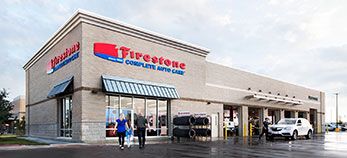
Most stores are open nights and weekends

| Day(s) | Hours |
|---|---|
| MON-SAT: | 7:00am-6:00pm |
| SUN: | 9:00am-5:00pm |
Schedule Service
Your Nearest Store:
7980 S Broadway
Littleton, CO
303.515.7308
Most stores are open nights and weekends
| Day(s) | Hours |
|---|---|
| MON-SAT: | 7:00am-6:00pm |
| SUN: | 9:00am-5:00pm |
Search For Batteries
All fields are required
Alignment Service
All fields are required
TPMS REPAIR SERVICES
When your tire pressure monitoring system light is on, trust Firestone Complete Auto Care to get your TPMS working like it should.
OUR TPMS REPAIR SERVICES
From sensor inspections to TPMS replacement, Firestone Complete Auto care offers a wide range of services to keep your tire pressure monitoring system working like it should. Our expert technicians are here to help you stay safe on the road with reliable TPMS care.
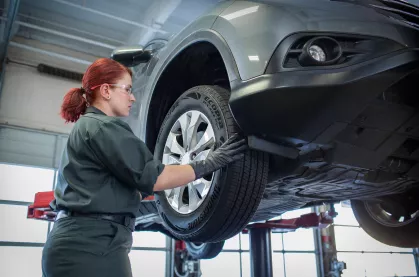
TPMS Sensor Inspection
We check your sensors to keep your tire pressure monitoring system working properly.
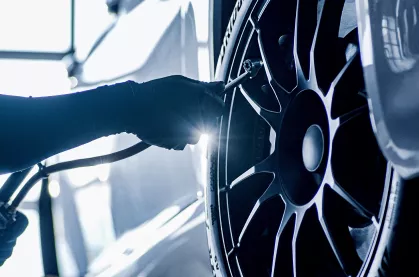
TPMS Sensor Repair & Reset
Our experts repair and reset your sensors to restore your tire pressure monitoring system.
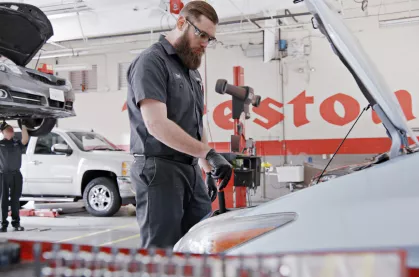
TPMS Valve Replacement
We replace damaged valves to help maintain proper tire pressure and prevent leaks.
WHAT HAPPENS DURING TPMS REPAIR SERVICE?
- WHAT WE DO: Inspect your tire pressure monitoring system (TPMS) and perform repairs as needed, including diagnosing issues and repairing or replacing faulty sensors to help restore accurate tire pressure readings.
- WHAT QUALIFIES: A TPMS warning light, inaccurate readings, a broken TPMS sensor, or issues after tire service may indicate the need for tire pressure monitoring system repair.
- WHAT DOESN’T QUALIFY: Damaged tires, tire air leaks, or wheel issues may require tire repair or replacement in addition to TPMS service.
- INCLUDED CHECKS: We check TPMS sensors, system communication, and tire pressure levels. TPMS sensor repair or replacement may be recommended if a sensor is not functioning properly.
- AVERAGE SERVICE TIME: Many TPMS diagnostics and repairs can be completed in about 30–60 minutes, depending on the issue and parts required.
- SERVICE INTERVAL: TPMS service isn’t required at set intervals. It’s recommended anytime the TPMS warning light comes on, after tire replacement or rotation.
HOW YOUR VEHICLE MAINTENANCE SERVICE WORKS

1. Choose Your Repair Services
Tell us about your vehicle, then select the services you want our experts to handle.

2. Book an Appointment
Pick an available opening and schedule your service quickly and easily.

3. Drop Off Your Vehicle
Leave the rest to us—we’ll handle your repairs with care and expertise.
Frequently Asked Questions
PSI (pounds per square inch) is a unit of measurement used to determine recommended tire pressure levels. Your vehicle’s recommended PSI is listed in the owner’s manual as well as on a sticker located on the door jamb, glove box door, fuel door, or spare tire. These numbers reflect the PSI needed for proper load support and safe handling. Many vehicles also require different levels for the front and rear tires, so use a tire pressure gauge to adjust as needed.
Tire pressure shifts with temperature because air contracts in the cold and expands in the heat, so it’s important to check pressure during weather changes. Tires typically lose or gain 1 to 2 PSI for every 10 degrees Fahrenheit, which means a sudden cold snap or warm spell can change levels by several PSI. Cold weather may also cause temporary drops that return once temperatures rise, while hot weather can increase PSI throughout the day.
A tire pressure monitoring system (TPMS) alerts you when a tire is significantly underinflated, using either direct sensors inside each tire or indirect readings from the anti-lock braking system (ABS) wheel-speed system. When pressure drops below the recommended PSI, the TPMS light appears on the dashboard, typically as a yellow horseshoe-shaped tire with an exclamation point. Some vehicles may also display an icon identifying which tire is low. If the light stays on, confirm pressure with a gauge and inflate the affected tire to the recommended PSI. Persistent warnings may indicate a puncture, slow leak, or sensor issue that requires diagnostic testing.
Checking and filling your tires starts with finding the recommended PSI on the driver’s door jamb or in the owner’s manual. Then, use a tire pressure gauge to get an accurate reading. Remove the valve stem cap, press the gauge firmly onto the valve, and compare the reading to the cold tire specification. If pressure is low, add air at a gas station or with a home compressor in short bursts, checking frequently to avoid overinflating. Release excess air if needed, then replace the valve caps once all tires reach the proper level. If you need assistance with filling tires, make an appointment at your nearest Firestone Complete Auto Care for in-person guidance.
Incorrect tire pressure can affect fuel economy, handling, braking, and tire lifespan. Underinflated tires create more surface contact with the road, which can make the vehicle feel less responsive and reduce fuel efficiency. The U.S. Department of Energy reports that gas mileage can drop by about 0.2 percent for every 1 PSI decrease in average pressure. Underinflation also accelerates wear and increases the risk of damage. Overinflated tires have less road contact, which can lead to uneven wear, reduced braking performance, and greater susceptibility to potholes or debris. Regular gauge checks help keep tires at the recommended PSI for safe operation.
AUTO REPAIR COUPONS & DEALS
Offers Carousel

FIND A TPMS SERVICE SHOP NEAR ME
Stores Near You
Store Locations Map
RECOMMENDED FOR YOU

Tire Repair
Wheel Alignment
All Auto Repair Services
LEARN MORE ABOUT TPMS

What Does TPMS Mean?
Have you ever wondered what that little TPMS light means on your dashboard? Learn what that little exclamation point in a horseshoe can tell you about your car.
Read More
Top Reasons Your Tires Go Flat (& How to Avoid Them!)
Flat tires don't have to be facts of life. Use these tactics to steer clear of flats & keep your tires stronger, longerfrom Firestone Complete Auto Care!
Read More