Key Takeaways
- If your car battery is dead, you have three safe ways to recharge it: Jump-start your vehicle using another car, use a portable battery booster, or use a dedicated car battery charger.
- Before you begin, always follow safety precautions, check your owner’s manual, and make sure the battery is in a safe condition to charge.
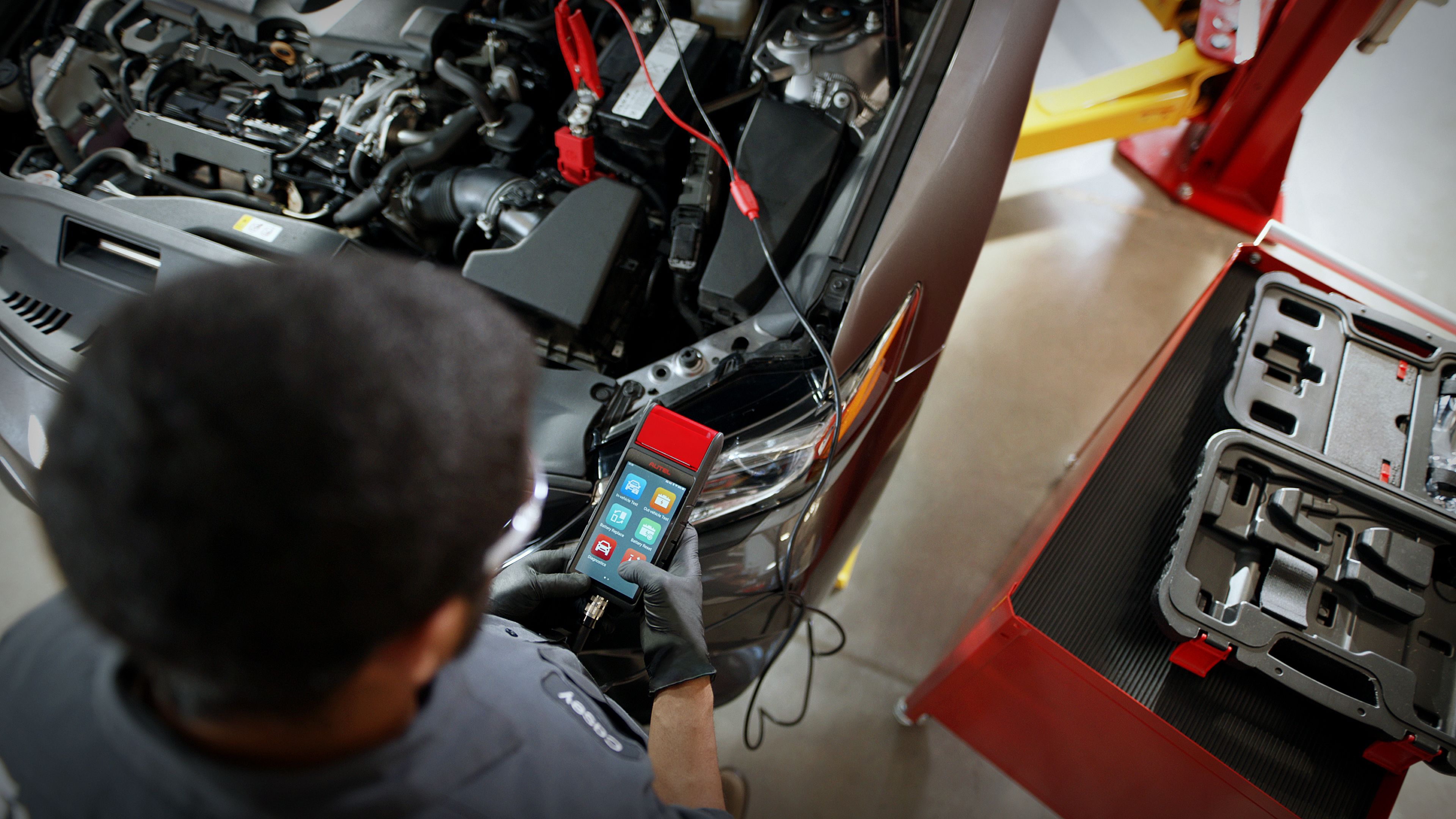
- Firestone Complete Auto Care can perform battery diagnostics and replace it if needed. Many of our batteries come with warranty options that can include 24-hour roadside assistance and free replacement in the event of an issue.
Charging a dead car battery is a bit more complex — and potentially more dangerous — than charging your smartphone. You don't want to get shocked or accidentally touch battery acid. You also don't want to get stuck with a dead battery (again) if you don't let the battery charge long enough. Follow along to learn two ways to charge a car battery safely and how long to let your car battery charge.
What Does a Car Battery Do?
A car battery provides the electrical power to start your engine and helps support the electrical system.
We’ve covered how car batteries work before, so we’ll just give you the basics here. A car battery converts chemical energy into electrical energy and stores it for later use. When the engine is off, the battery powers accessories such as lights, the infotainment system, and computer modules. When you start your car, the battery delivers the burst of power your starter motor needs to run.
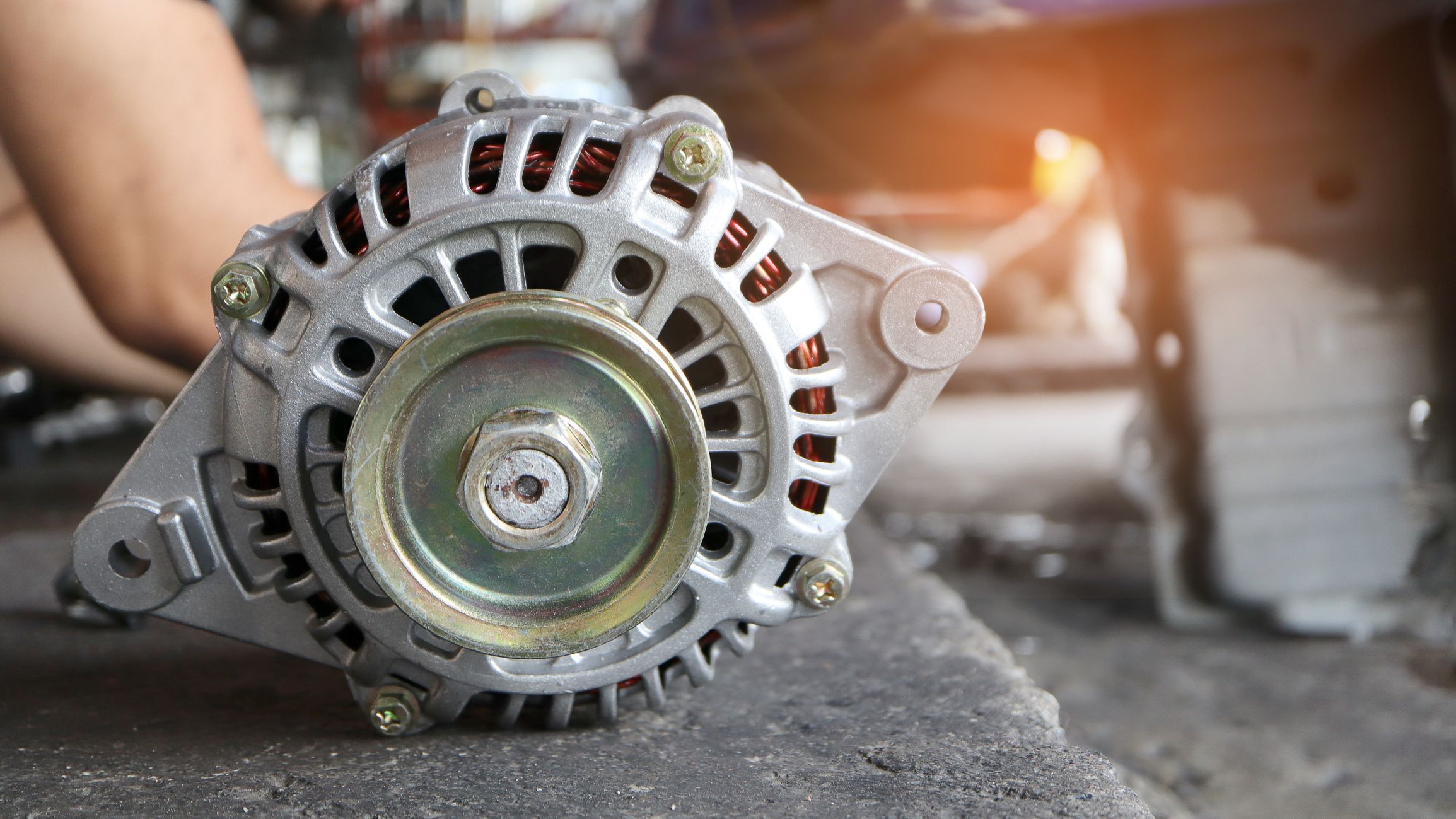
Once the engine is running, the alternator takes over, supplying electricity and recharging the battery. In the case of a faulty alternator, the battery can temporarily take over, but only for a short time. If you ever suspect that the battery or alternator isn’t performing well, a quick stop at Firestone Complete Auto Care can confirm what’s going on with a free battery check.
Why Would You Need to Charge Your Battery?
You need to recharge your battery when it becomes too weak to start or keep the vehicle running.
A dying or drained battery often presents as slow cranking, clicking sounds, dim lights, or complete failure to start. Beyond starting your car, how your battery reacts to charging can also indicate whether it's time for a new one. For example, leaving an interior light on overnight will drain your battery, but if the battery is healthy, it should recharge quickly. A battery that needs to be replaced, however, may not hold a charge or may require more frequent recharging.
What to Do Before Charging a Battery
So, your battery is dead or needs a charge. Before you try to charge or jumpstart a car battery, follow these five steps:
- Refer to Your Car Owner's Manual: Your manual may include specific instructions for safe charging or jump-starting for your particular make and model.
- Be Safe: Ensure you charge the battery in a location free from flames, sparks, or smoke. Remove jewelry, wear gloves, and use safety glasses.
- Pay Attention to Any Odors: If you detect a sulfur or rotten egg smell, do not attempt to charge the battery. This can indicate leaking hydrogen gas, which is extremely flammable. Keep your distance, have the vehicle towed, and let a professional inspect it safely.
- Check for Heat: If the battery feels hot or you sense heat rising from the case, keep the hood open and let it cool down before attempting to charge.
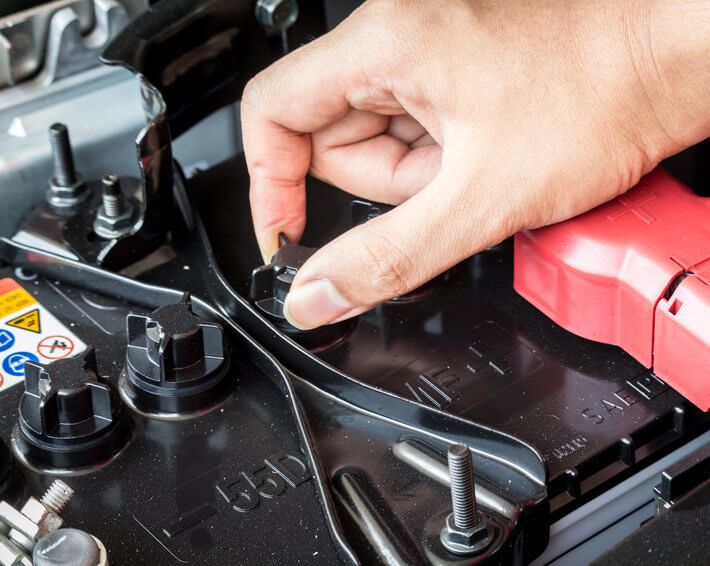
- Look for Corrosion: Corrosion around the battery posts is common and can interfere with charging. You can remove the corrosion by carefully scrubbing it with a brush and a paste of water and baking soda. If you skip this step, you may find that your car won’t start, even with a new battery installed!
How to Charge a Car Battery Without a Charger
If you don't have access to a charger, you'll need to connect a running vehicle’s battery to your dead one to borrow enough power for it to start your car. Before attempting to jump-start, you’ll need four things:
- Your vehicle with the dead battery
- A running vehicle
- Jumper cables
- Your car owner’s manual or the steps below
Now that you have what you need, here’s how to charge a car battery with another car:
Get the Two Vehicles Ready
Locate the batteries in both cars. They’re often found in the engine bay, but may also be under a seat or in the trunk. Park the working vehicle close enough so that the jumper cables can reach, and ensure both cars’ engines and accessories are turned off.
Connect the Positive Jumper Cable
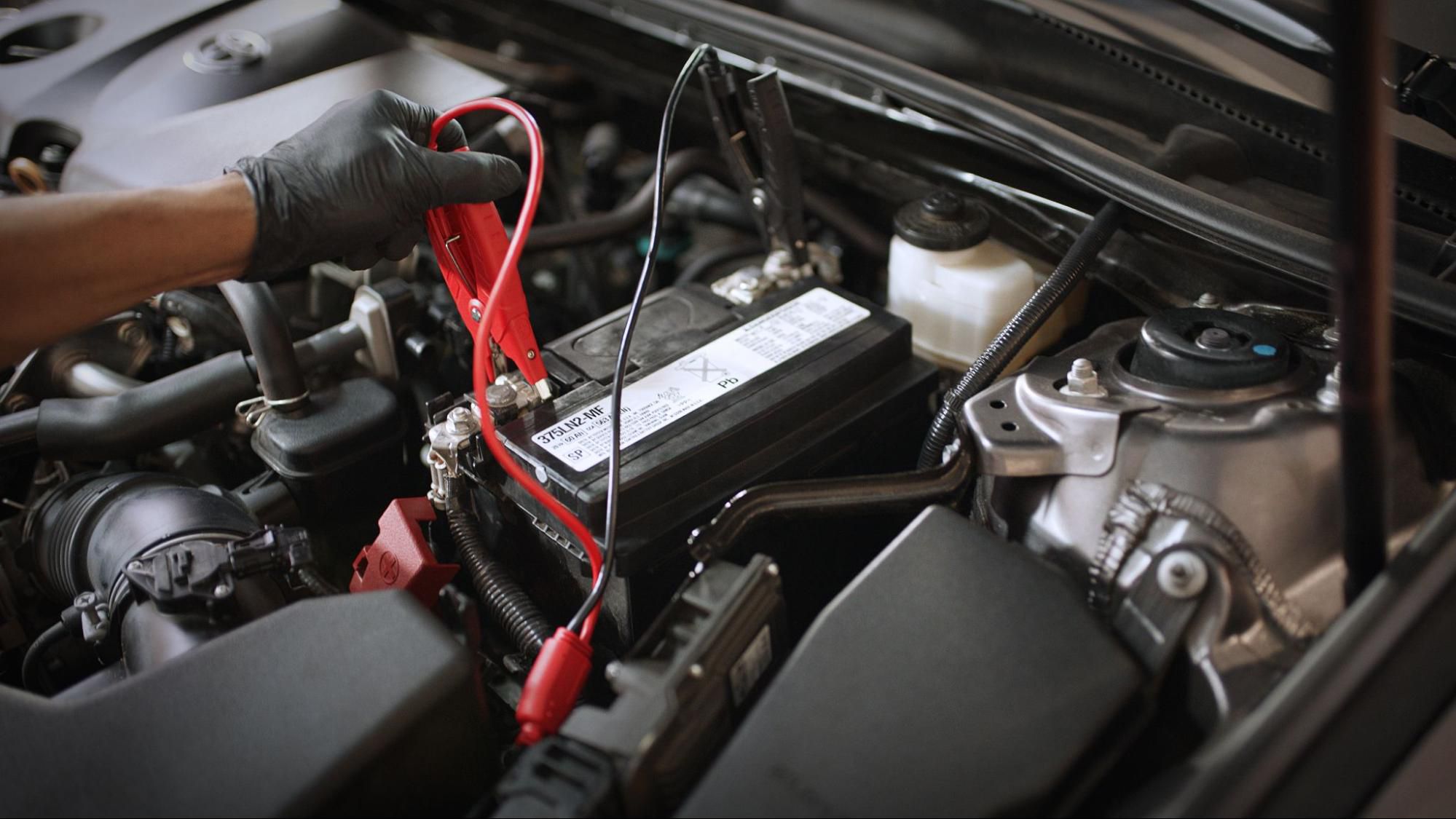
Attach the jumper’s positive cable (typically red) to the positive terminal (marked with a “+” icon) of the dead battery, then to the positive terminal of the good battery. Don’t bump the positive clamp into the negative terminal (or any other clamps), or you could cause a short circuit.
For more information about cable colors and battery symbols, read our guide on disconnecting and reconnecting car batteries.
Connect the Negative Jumper Cable
Attach the negative jumper cable (typically black) to the negative post (marked with a “-” symbol) of the good battery. Then, connect the clamp at the other end of the negative cable to an unpainted area of the chassis or engine block of the car with the dead battery. This keeps the connection point farther away from the battery, reducing the risk of igniting any flammable gas.
Start the Engines
Start the engine of the vehicle with the good battery first, then try to start the one with the dead battery. If needed, lightly rev the working vehicle to increase electrical output. Once the dead vehicle starts, let both cars idle for a couple of minutes.
Remove the Cables
Remove the cables in the reverse order you connected them: negative from the previously dead vehicle, negative from the good battery, positive from the good battery, and finally, positive from the previously dead vehicle.
If you’ve followed these steps properly (and your battery isn’t completely irreparable), the bad battery should have enough power to drive to the closest Firestone Complete Auto Care for repair and service recommendations.
How to Charge a Car Battery with a Charger
To charge your battery with a charger, connect the clamps, set the amperage, and let the charger run until the battery is full.
There’s a whole world of battery chargers out there — from big to small and affordable to expensive. Their features vary. Some models offer the option to jumpstart your car if you need to get somewhere in a hurry, while trickle chargers only allow for slow battery recharging. Select the option that best suits your needs and always follow the included instructions.
Once you have a charger on hand, it’s as easy as 1, 2, 3:
- Connect the Charger to the Battery: Ensure the charger is unplugged and the vehicle is turned off. Attach the positive (red) clamp to the battery’s positive (+) post. Then attach the negative (black) clamp to a stable area on the vehicle's body or chassis.
- Turn on the Charger and Let Your Battery Charge: Once connected, plug the charger in and turn it on. Then, adjust its amperage. Lower amps will take longer to charge, but can lead to a more reliable charge. Higher amps charge faster, but rapid charging can shorten the lifespan of your battery. Avoid using “200 amp” or “jumpstart” settings for charging. Extended use of these settings can significantly reduce your battery life. Follow all charger and owner’s manual instructions, and give the battery time to fully charge. Some chargers stop automatically when done; others require manual shut-off.
- Disconnect the Charger: After the battery has regained its ability to start the car, turn off and unplug the charger from its power source. Then, detach the clamps from your battery. Just like when jumpstarting, this should be done in reverse order — the negative (black) clamp should be removed first, followed by the positive (red) clamp.
How Long to Charge a Car Battery
Fully charging a battery with a charger can take anywhere from a couple of hours to a couple of days, depending on the charger's amperage and the battery's voltage.
Though a partially charged car battery may still allow you to drive your car, at least for a short distance, you run the risk of starting this process all over again if you don't wait for a full charge.
If you choose to charge your battery with another vehicle, don't turn the engine off immediately after the jump start is done and the cables disconnected. Instead, cruise around for at least 15 minutes so the alternator can continue charging the battery. Kill the engine too soon, and you could find yourself needing another jumpstart.
Unfortunately, if your battery is bad, it won't hold a charge, no matter how long you leave it connected to another car or a charger. In this case, ensure you’re parked in a safe location before shutting off the engine, as it may not restart.
Car Battery Won’t Hold a Charge? Firestone Complete Auto Care Can Help.
If your car battery doesn't hold a charge, it's most likely time for a replacement. Fortunately, with more than 1,800 locations across the country, your nearest Firestone Complete Auto Care isn't hard to find!
Stop by, and one of our trained technicians can inspect your battery for free with an available coupon and help you find the correct car battery for your ride. As a bonus, many of our battery replacements include warranty options and features like 24-hour roadside assistance and replacement/reimbursement to ensure the lasting confidence you deserve.