Key Takeaways
- Dashboard lights are your car’s built-in communication system. Some are informational, others demand immediate action.
- Not every light means “stop right now,” but every warning deserves attention.
- Symbol designs and meanings can vary by make or model, so when in doubt, a professional diagnostic scan is the best next step.
- Firestone Complete Auto Care can pinpoint the root cause of warning lights and recommend the right fix.
Dashboard Lights Explained
Modern vehicles are smart. Sometimes, smarter than we give them credit for. When something isn’t right, they tell you directly through dashboard warning lights or messages. But if you don’t have an automotive background, you might not know exactly what each one means.
Use this car dashboard warning lights guide for clarity. We’ll walk you through the most common symbols, explain what they’re trying to tell you, and most importantly, what you should do next.
Types of Car Warning Lights by Color:
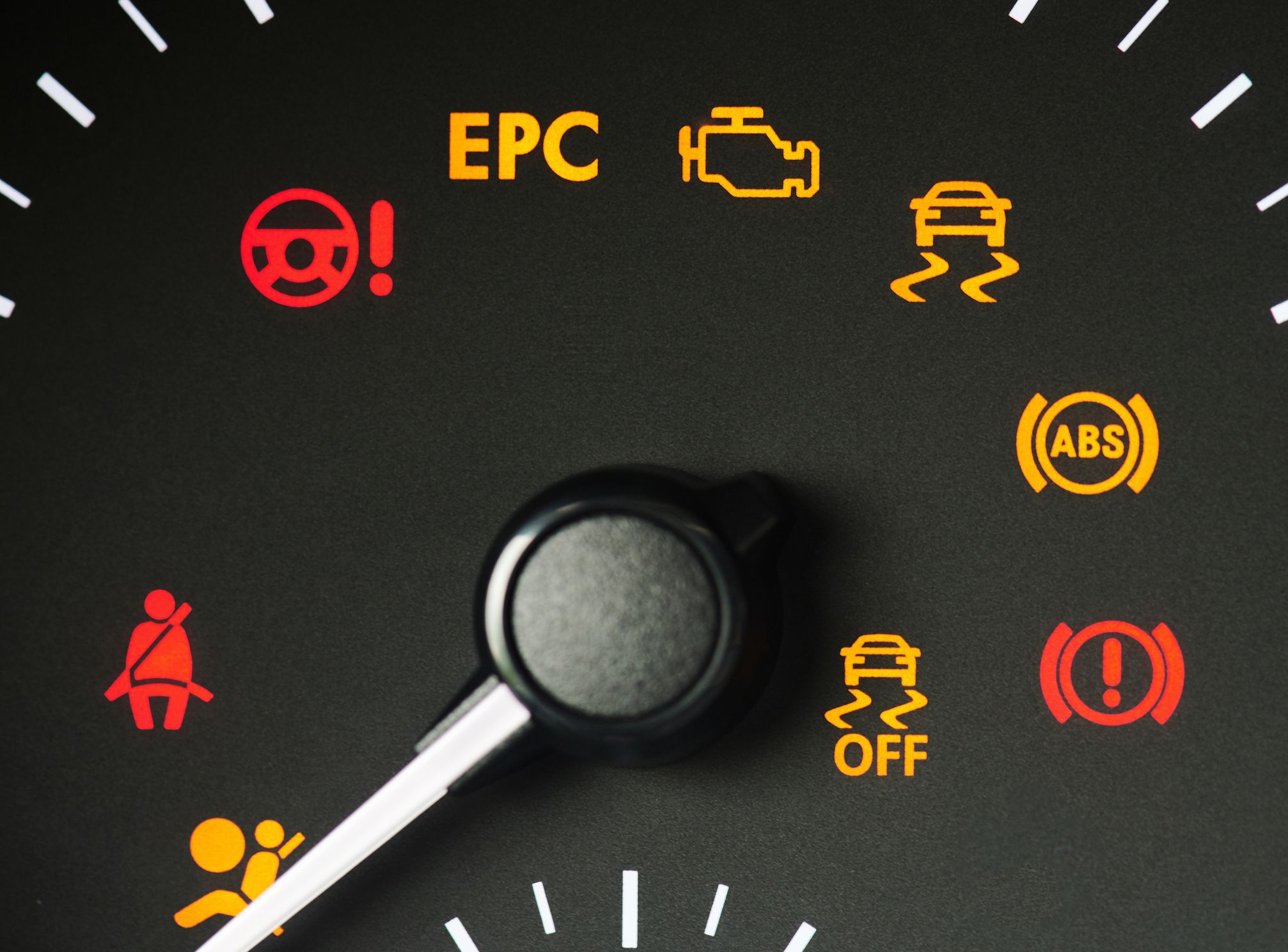
Dashboard lights typically fall into three categories:
- Green or Blue Lights: Information (like high beams, fog lights, or automatic start-stop being on).
- Yellow or Amber Lights: Caution: something needs attention soon (like low windshield washer fluid or a lamp being out)
- Red Lights: Stop and assess immediately. Unless it’s signaling that your security system is armed, a flashing red light on a car dashboard can signal an especially serious issue.
Symbol colors, designs, and meanings can vary slightly depending on your vehicle's manufacturer, so checking your car owner’s manual can help decode these lights properly. But even then, some lights can carry multiple meanings (like the check engine light). In cases like these, a diagnostic scan at Firestone Complete Auto Care may be the fastest way to get to the bottom of the mystery.
What Do the Symbols on a Car Dashboard Mean?
Dashboard warning lights might look like hieroglyphics, but we promise they’re not. Each symbol is intentionally shaped to represent the system it’s tied to (i.e., engine, brakes, oil, temperature, and other safety features). So, aside from the color of the light, the symbol itself can provide valuable context clues about what your vehicle is trying to communicate and how seriously you should take it.
Note: Most dashboard lights will illuminate when the key is in the “on” or “accessory (ACC)” position. This is normal and simply confirms that the light is working. But if a symbol stays on after the engine starts or turns on while you’re driving, it may signal a repair or service problem.
Here are some of the most frequently seen dashboard symbols:
Check Engine Light
| Let’s dive into the most dreaded light first: the check engine light. Usually shaped like an engine, the check engine light can be caused by anything from a loose gas cap to a deeper issue regarding engine performance or emissions. Most of the time, the engine warning light is amber, but some vehicles change it to red for severe issues. |  |
- What It Could Mean: Most things engine-related—from minor sensor issues to serious misfires, emissions problems, or fuel system troubles.
- What to Do: If it’s amber and steady, schedule diagnostics soon. If it’s flashing, stop driving and schedule a diagnostic with us. The underlying issue could cause severe engine damage.
Oil Pressure Warning
| If you’re adhering to your manufacturer’s recommended maintenance schedule, you may never encounter the oil pressure warning light. But if you do, it typically resembles an old-fashioned oil can (imagine a genie lamp). Because low oil pressure can cause catastrophic engine damage, the oil pressure light usually illuminates red. |  |
- What It Could Mean: Low oil pressure or low engine oil level.
- What to Do: Stop the engine as soon as it’s safe to do so. Running without proper oil pressure can destroy an engine in minutes. Stop by Firestone Complete Auto Care for a vehicle inspection or oil change.
Brake System Warning
| This light often looks like a circle with an exclamation point and/or the word “BRAKE.” Since it signals a major safety concern — particularly if you find yourself in a situation where emergency braking is necessary — this light is usually red. |  |
- What It Could Mean: Parking brake engaged while driving, low brake fluid, or other brake system issue.
- What to Do: First, check that the parking brake is fully released. If the light stays on, don’t delay; brakes aren’t a system you want to gamble with.
Tire Pressure Monitoring System (TMPS)
| The TPMS light generally looks like a tire with an exclamation point inside. On most vehicles, this light flashes yellow, signaling a fault, and it needs attention soon. But if your pressure is dangerously low, this light will be solid amber. Some vehicles may light this symbol red. |  |
- What It Could Mean: Low tire pressure. Sometimes, this light might pop on in cold weather due to more condensed air in the tires. Whether or not it stays on after the tires have warmed up from driving, you’ll want to check your tire pressure.
- What to Do: Check and adjust the tire pressure. If the light keeps coming on, there may be a TPMS sensor issue or a slow leak.
Transmission Temperature
Often shaped like a gear with a thermometer inside, this light indicates that your transmission fluid is too hot.
- What It Could Mean: Transmission overheating, low fluid levels, or internal wear causing excessive friction and heat.
- What to Do: Stop driving and allow the vehicle to cool. This light isn’t one you want to ignore. Continuing to drive can rapidly turn a manageable repair into a full transmission replacement. When you can, take it to your nearest Firestone Complete Auto Care for a transmission inspection.
Coolant Temperature
| The coolant temperature light typically looks like a thermometer floating over squiggly lines (representing the water in your radiator). The color of this light depends on the vehicle. Some default to amber, while others may make the light turn different colors to distinguish between temperatures. |  |
- What It Could Mean: A red coolant temperature light usually indicates your engine is overheating due to low coolant levels, leaks, or a cooling system failure. For vehicles that have multiple colors, here’s the breakdown: if it’s blue, there probably isn’t any reason to worry — blue indicates that your engine is still cold and needs time to warm up. If it’s yellow, your vehicle may be low on coolant.
- What to Do: If the light is red or amber and the engine temperature gauge is climbing, pull over safely and shut the engine off. Further driving could cause serious damage to your cooling system or engine.
Battery/Charging
| A simple battery icon related to your electrical system, typically illuminated in red, that appears after starting — or worse, while driving. |  |
- What It Could Mean: Low battery voltage, an alternator that isn’t charging, or other charging system problems.
- What to Do: If this light stays on, your car is running on borrowed time. Get your battery and alternator tested before you get stranded.
Airbag Warning
| The airbag warning light usually looks like a seated person with a circle (representing an airbag) in front of them. This light is typically red or yellow and can indicate a critical safety issue. |  |
- What It Could Mean: The airbag system may not deploy properly in an accident.
- What to Do: This is a major safety issue, plain and simple. Schedule an inspection as soon as possible.
Traction Control Indicator
| Your traction control indicator light is typically yellow and resembles a car with squiggly lines underneath it (imagine a vehicle skidding its tires). |  |
- What It Could Mean: Traction control is active (normal on slippery roads), you’ve manually turned the system off, or there’s a system fault.
- What to Do: If it flashes briefly when you’re on a slippery road, that's usually normal. If it stays on and you haven’t deactivated the system via the traction control button, your handling and stability may be compromised due to a system malfunction.
Have a Warning Light that Won’t Turn Off? Firestone Complete Auto Care Can Help.
Not sure what that symbol on your dashboard means? Firestone Complete Auto Care offers diagnostic services to help you find out what’s going on. Check out our Offers page to see if there’s a free diagnostics coupon available near you.