When tires start getting louder, something has changed. That change could be normal wear, a maintenance issue, or a mechanical problem that needs to be checked. If you’re noticing loud tire noise at highway speeds or any tire noise when driving, understanding what causes this issue may help protect your tires and keep your ride smooth and comfortable.
Let’s break down what causes tire noise, what different sounds may mean, and how to quiet things down.
Key Takeaways
- Common Causes: Loud tire noises may be caused by uneven tread wear, cupping, improper tire pressure, wheel misalignment, worn suspension parts, or a bad wheel bearing.
- Tire Type Matters: Some tires with aggressive tread patterns or stiffer sidewalls may create more road noise.
- Noises to Watch For: Humming, roaring, thumping, and whining can indicate problems with your tires or suspension system.
- Maintenance Helps: Proper inflation, tire rotations, alignments, and suspension checks can reduce road noise and potentially extend tire life.
What Causes Tire Noise? 7 Potential Reasons
Loud tires often come down to changes in how the tire contacts the road. As tires wear, the tread blocks can strike the pavement unevenly, creating vibration and road noise that becomes more noticeable over time.
Common reasons for tire noise include:
- Uneven Tread Wear: When tires wear unevenly, they lose balance and may begin to vibrate and make noise. Uneven tire wear can result from skipping rotations or driving with misaligned wheels.
- Cupping or Scalloping: This refers to dips or high/low patterns in the tread that often create a thumping sound. It can happen if your suspension components are worn or your tires are out of balance.
- Improper Inflation: Overinflated or underinflated tires can cause louder road noise, reducing comfort and increasing wear.
- Wheel Misalignment: Misaligned wheels can drag tires at awkward angles, increasing road noise and speeding up tread wear.
- Worn Suspension Components: Shocks, struts, or bushings that aren’t functioning properly can lead to uneven wear patterns that may cause noisier tires.
- Failing Wheel Bearings: A bad wheel bearing can create a humming or growling noise that changes with speed.
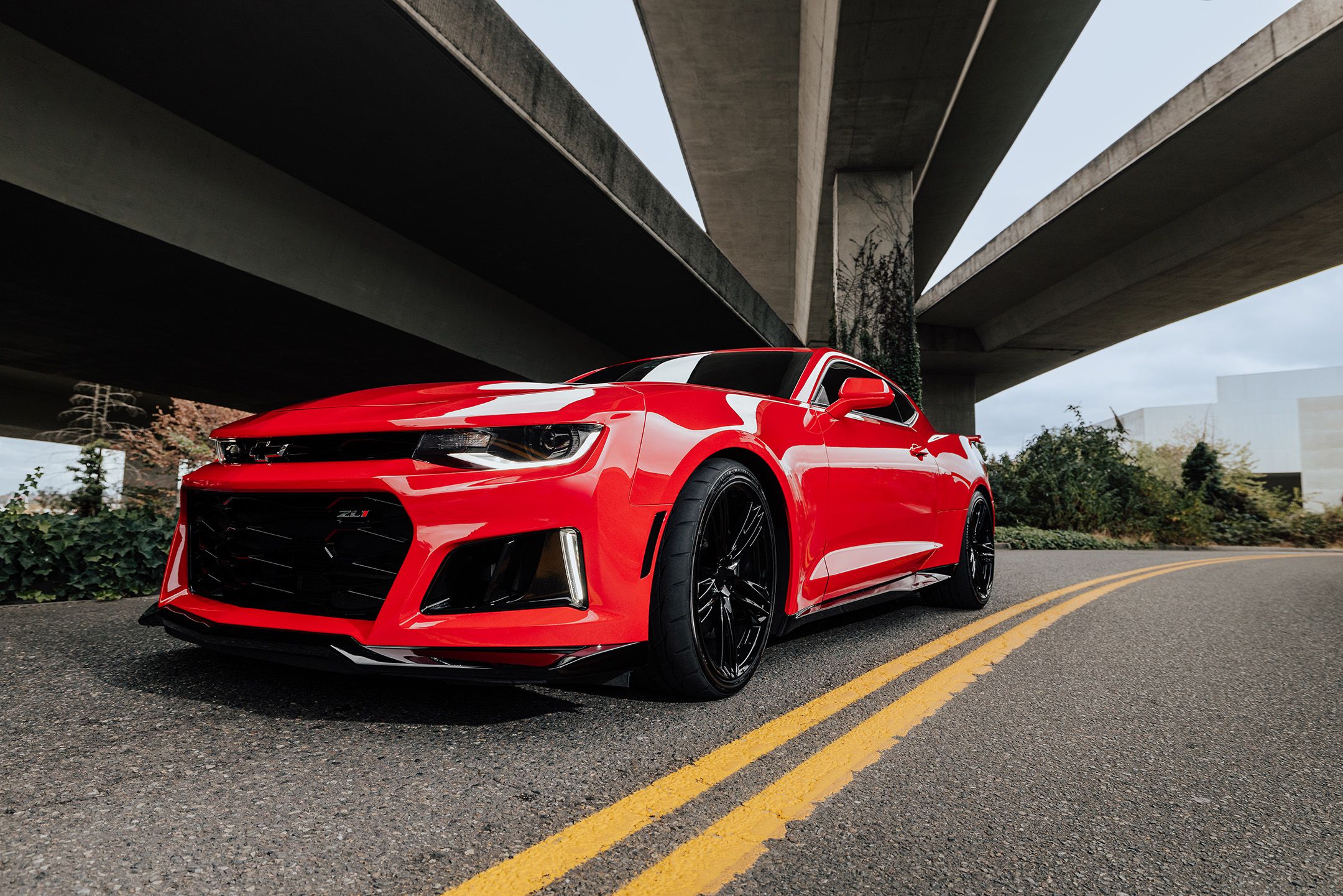
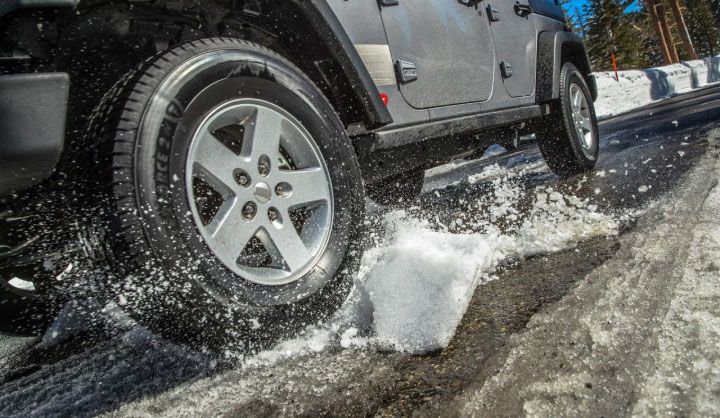
- Tire Design: Some tires are just naturally louder than others. Tires that tend to produce more road noise include all-terrain and mud-terrain tires with large tread blocks, performance tires with stiffer sidewalls, and tires with aggressive tread patterns.
A professional inspection is often the fastest way to get clear answers. Firestone Complete Auto Care offers a free courtesy check to help diagnose the issue.
FREE Courtesy Check Inspection
Common Tire Noises and What They Can Indicate
Different sounds can help pinpoint the cause of tire noise.
Humming or Roaring
A steady hum or roar that increases with speed often points to uneven tread wear, cupping, a bad wheel bearing, driveline, or wheel alignment problems.
Whining
A high-pitched whining noise may be caused by improper tire inflation or tread patterns that generate more road noise as the tire contacts the road surface.
Thumping or Slapping
A rhythmic thumping or slapping sound usually indicates uneven wear, a tire that is out of balance, or internal tire damage.
How Maintenance Helps Reduce Tire Noise
You can’t control road surface or tire design, but you can take steps to prevent wear and keep road noise in check. Routine maintenance plays a major role in keeping tires quiet and extending their lifespan.
Maintaining Appropriate Tire Pressure
Proper inflation keeps tread wear even across the tire and helps maintain consistent contact with the road. Check your tire pressure regularly, especially as the seasons change, since temperature swings can affect air pressure.
Regular Tire Rotations
Rotating your tires helps spread wear evenly across all four wheels, which can help prevent uneven tread patterns. Follow the rotation interval in your owner’s manual, or have them rotated during routine service visits.
Regular Wheel Alignments
Schedule regular wheel alignments to ensure tires meet the road at the correct angle. A good rule of thumb is once a year, but realignment is also necessary when installing new tires or with certain repairs.
Suspension Maintenance
Worn suspension components can cause tires to bounce or lose consistent contact with the road, leading to uneven wear and increased noise. Because suspension wear isn’t always easy to feel while driving, technicians check these parts during routine complete inspections, tire rotations, and alignments.
Firestone Complete Auto Care offers tire inspections and full vehicle inspections to help diagnose the issue.
FAQ: Questions Drivers Ask About Tire Noise
Do new tires make noise until broken in?
Some tires may be louder right after installation due to the release agents used in manufacturing or their fresh tread edges. This usually settles after a few hundred miles.
Do tires get louder as they wear?
They can. Uneven tread wear and cupping tend to increase road noise over time.
Do certain tires make more noise?
Yes. Performance tires, mud tires, and off-road tires tend to be louder due to their aggressive tread patterns and stiffer materials.
Can tire noise be caused by alignment or suspension problems?
Yes. Misalignment or worn suspension components can cause uneven tire contact with the road, leading to increased noise and faster wear.
Will an alignment or balancing fix loud tire noises?
In some cases, yes. Correcting wheel alignment or balancing can significantly reduce tire noise and help prevent further uneven wear. But if the tires are already worn unevenly, replacing them may be necessary.
Is tire noise dangerous or just annoying?
Sometimes it’s just annoying, but other times it can signal uneven tire wear or mechanical issues that should be addressed. If tire noise changes suddenly or gets worse, it’s worth having it inspected to avoid further damage.
Get Answers and Enjoy a Quieter Ride at Firestone Complete Auto Care
If your tires are getting louder, or you’re hearing humming, roaring, or thumping that wasn’t there before, it’s time to get answers. Tire noise can be caused by wear, mechanical issues, or simply the type of tire on your vehicle, but only a professional inspection can tell you which.
Visit Firestone Complete Auto Care for a complete tire and alignment check. Our technicians will pinpoint the source of the noise, recommend the right fix, and help you choose quieter, longer-lasting tires if your current set is naturally loud.