If you’ve ever stood in front of a wall of tires, you’ve probably noticed they’re not all created equal. Beyond brands and tread patterns, there are entire categories of tires built specifically for different types of vehicles.
So it’s fair to ask: Do SUVs and trucks really need different tires than sedans? The short answer: yes. The long answer is all about weight, physics, and how tires are engineered to keep you comfortable on the road. It's also important to note that tires labeled for use by trucks, SUVs, or sedans usually aren’t interchangeable. They’re designed for the unique performance demands of each vehicle type, and swapping them out can create unnecessary issues.
Note: Tires aren’t interchangeable across categories; they’re engineered for the specific demands of the vehicles they’re made for. That’s why it’s highly recommended that drivers stick to their manufacturer’s suggested tire size and load rating listed in their owner’s manual or on the tire placard inside the driver’s door.
Can You Put SUV Tires on a Car?
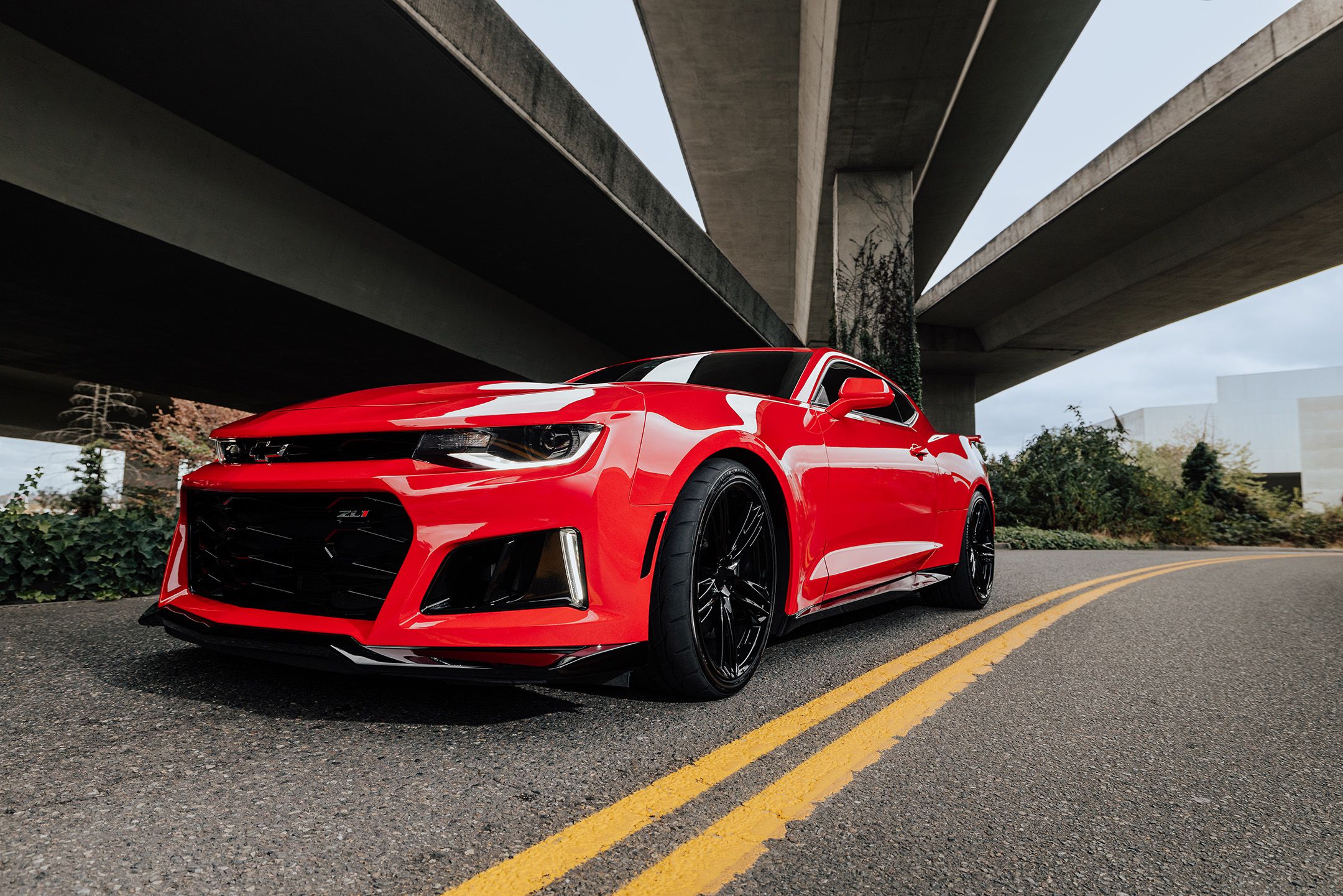
A tire is a tire is a tire, right? Wrong. Putting SUV tires on a sedan can throw off its handling and fuel efficiency. SUV tires—meaning tires built to support the higher weight, taller stance, and performance characteristics of sport utility vehicles and crossovers—are often engineered with more fortitude and stiffer sidewalls than standard passenger car tires. This can make a smaller car feel sluggish, reduce ride comfort, and increase stopping distances.
To flip the image, imagine mounting sedan tires on a heavy SUV. At first glance, the SUV might drive fine. But in an emergency stop on wet pavement, those sedan tires could struggle to maintain traction under the weight of the SUV. This can result in longer stopping distances, a higher risk of hydroplaning, and uneven tread wear that could shorten your tires' lifespan.
Can You Put Truck Tires on a Car?
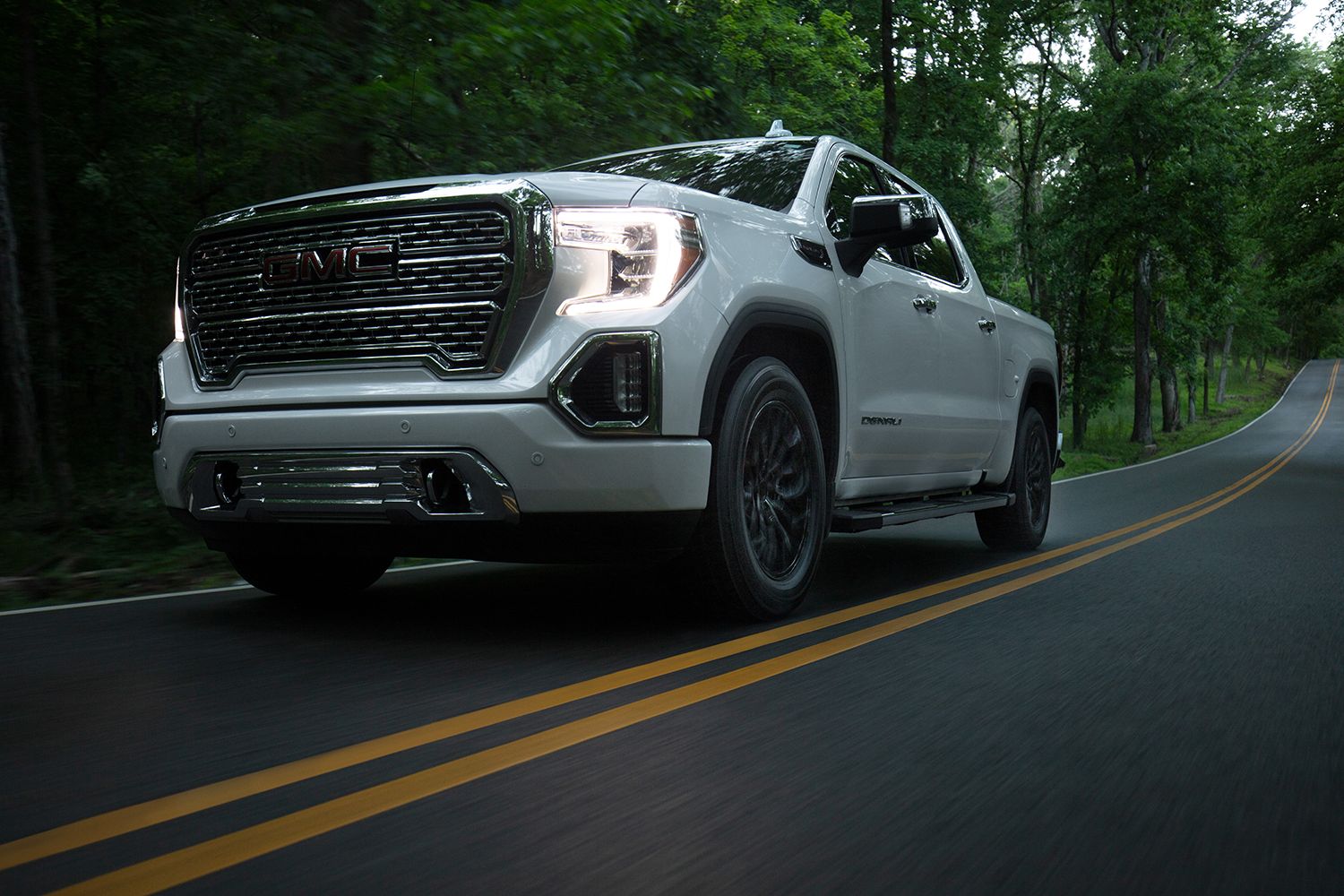
Truck tires—often designed for pickup trucks and other vehicles that tow, haul, or travel off-road—are built with reinforced materials and specialized tread patterns for load capacity and traction. On a sedan, they could overwhelm the suspension, strain the drivetrain, and create unnecessary risks.
How Truck and Car Tires Differ: Size and Weight
Size and Load Capacity
Larger vehicles generally demand tires with higher load ratings so they can carry heavy weights without squatting under pressure. Passenger cars don’t typically need that same level of reinforcement; in fact, excess tire weight would only add drag and hurt fuel economy.
That’s why sedan tires are built lighter and more efficient, while SUV and truck tires prioritize strength and stability through optimized construction. Bridgestone, for instance, engineers their tires using advanced materials and designs that deliver fortitude and strength while remaining lightweight.
Weight and Sidewall Strength
When comparing truck tires vs. car tires or SUV tires vs. car tires, the most obvious difference is size. But what really matters is vehicle weight. A midsize sedan may weigh around 3,200 pounds, while a full-size SUV or light truck can easily push past 5,000 pounds before adding passengers or cargo. That extra weight increases stress on the tires, especially when braking, cornering, or towing. In effect, SUV and truck tires often use stiffer sidewalls designed to resist flexing and maintain control under pressure.
Why Using the Wrong Tire Type is Risky
So, can you put truck tires on a car?—bad idea. Tires built for larger vehicles aren’t usually optimized for lighter cars, and vice versa. Mismatching can cause uneven wear, sluggish handling, and a noisy, uncomfortable ride.
While it may be tempting to swap in whatever fits your rims, here’s why you shouldn’t.
- Faster Wear: Tires not built for the vehicle’s weight will wear unevenly.
- Poor Handling: Incorrect tire construction can reduce grip and braking performance.
- Lower Efficiency: Heavier or mismatched tires can decrease fuel economy.
- Risks: Tires under stress are more likely to fail under pressure, especially during sudden stops or sharp turns.
Driving a Truck, SUV, or CUV? Try Bridgestone Alenza Prestige
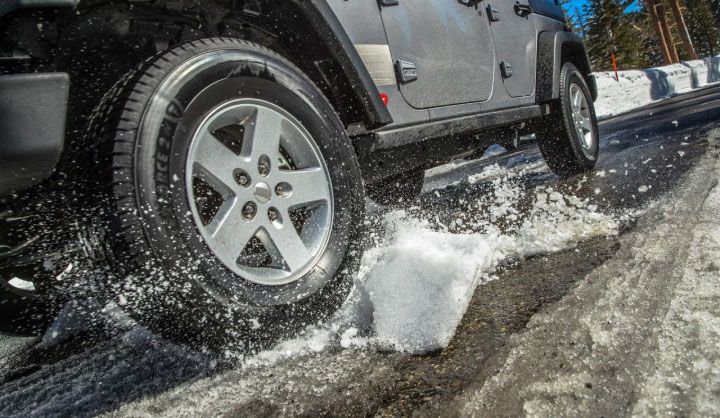
For drivers who want the best combination of comfort and durability, the Bridgestone Alenza Prestige is the premium highway tire designed exclusively for SUVs, CUVs, and trucks.
This next-generation tire is meticulously crafted for a truly refined experience behind the wheel, offering:
- Elegant Comfort & Quiet Ride: Designed with QuietTrack™ technology embedded into the tread pattern, this helps minimize disruptive road noise. Plus, it’s engineered to help reduce road vibrations thanks to a wide center rib designed to maintain smooth, constant, and comfortable contact with the road.
- Wet Performance: The Alenza Prestige tire helps minimize the risk of hydroplaning and promotes confident control on wet roads, thanks to an advanced tread compound engineered with ENLITEN™² technology and a tread pattern optimized to evacuate water quickly.
- Long-Lasting Tread Life: Engineered with Bridgestone’s proprietary PeakLife™ polymer, plus a deeper tread pattern than the previous generation Alenza AS Ultra, which is designed to resist irregular and premature wear for consistent performance over its 70,000-mile limited mileage warranty.¹
- Sustainability: With advanced compounds for long-lasting performance, rolling resistance technology for impressive fuel efficiency, and manufacturing materials such as renewable soybean oil, the Alenza Prestige delivers a remarkable balance of performance and sustainability elements.
Tires Aren’t One-Size-Fits-All
When it comes to SUV tires vs. car tires or truck tires vs. car tires, the differences are critical for performance and longevity. Bigger vehicles truly need tires built to carry their weight, manage their higher center of gravity, and deliver dependable handling in various conditions.
At Firestone Complete Auto Care, we know how important it is to match the right tire to the right vehicle. That’s why we offer expert guidance, professional installation, and trusted options like the Bridgestone Alenza Prestige—so your SUV, CUV, or truck gets the tire it was built to ride on. Schedule an appointment at your local Firestone Complete Auto Care today.
¹ 60,000 Limited Mileage Warranty (W Speed Rating Sizes), 70,000 Limited Mileage Warranty (All Other Sizes). Conditions apply. See BridgestoneTire.com/warranty for details.
² The combination of ENLITEN™ technology attributes applicable to a specific tire product may vary. Results may vary depending on proper tire and vehicle maintenance, road conditions, and driving habits.