Get An Oil Change
Your Nearest Store:
7980 S Broadway
Littleton, CO
303.515.7308
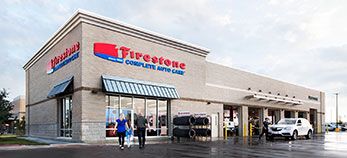
Most stores are open nights and weekends

| Day(s) | Hours |
|---|---|
| MON-FRI: | 7:00am-7:00pm |
| SAT: | 7:00am-6:00pm |
| SUN: | 9:00am-5:00pm |
Schedule Service
Your Nearest Store:
7980 S Broadway
Littleton, CO
303.515.7308
Most stores are open nights and weekends
| Day(s) | Hours |
|---|---|
| MON-FRI: | 7:00am-7:00pm |
| SAT: | 7:00am-6:00pm |
| SUN: | 9:00am-5:00pm |
Search For Batteries
All fields are required
Alignment Service
All fields are required
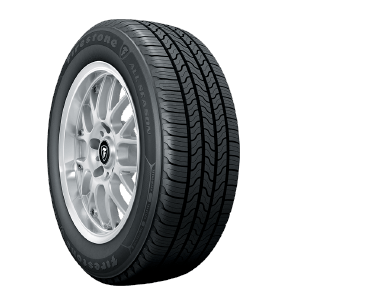

Benefits of Winter Tires
Winter tires are engineered for maximum grip and traction in snowy and icy conditions. If you’re thinking about making the switch from all-season tires, or it’s time to replace an older set, there are a few features to look for in your next set of winter tires.
Winter Headquarters Limited Time Offers
Winter weather can be unpredictable— Start Winter with Confidence. Visit your local Firestone Complete Auto Care to ensure your tires and essential systems are ready for the season. Schedule your Winter check today and drive with peace of mind.
Offers Carousel

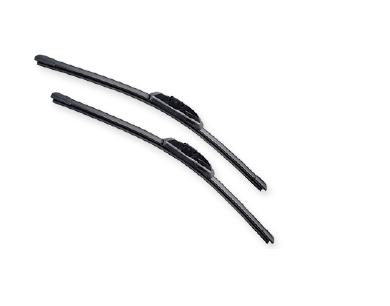
Stay Safe on the Road with Winter Tires
Winter tires, also known as snow tires, are essential for drivers who live in areas with unpredictable weather conditions in the long winter months. Understanding how winter tires are designed to perform on snowy roads is the first step to feeling confident behind the wheel.
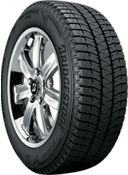
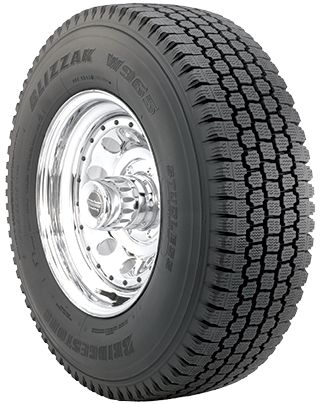
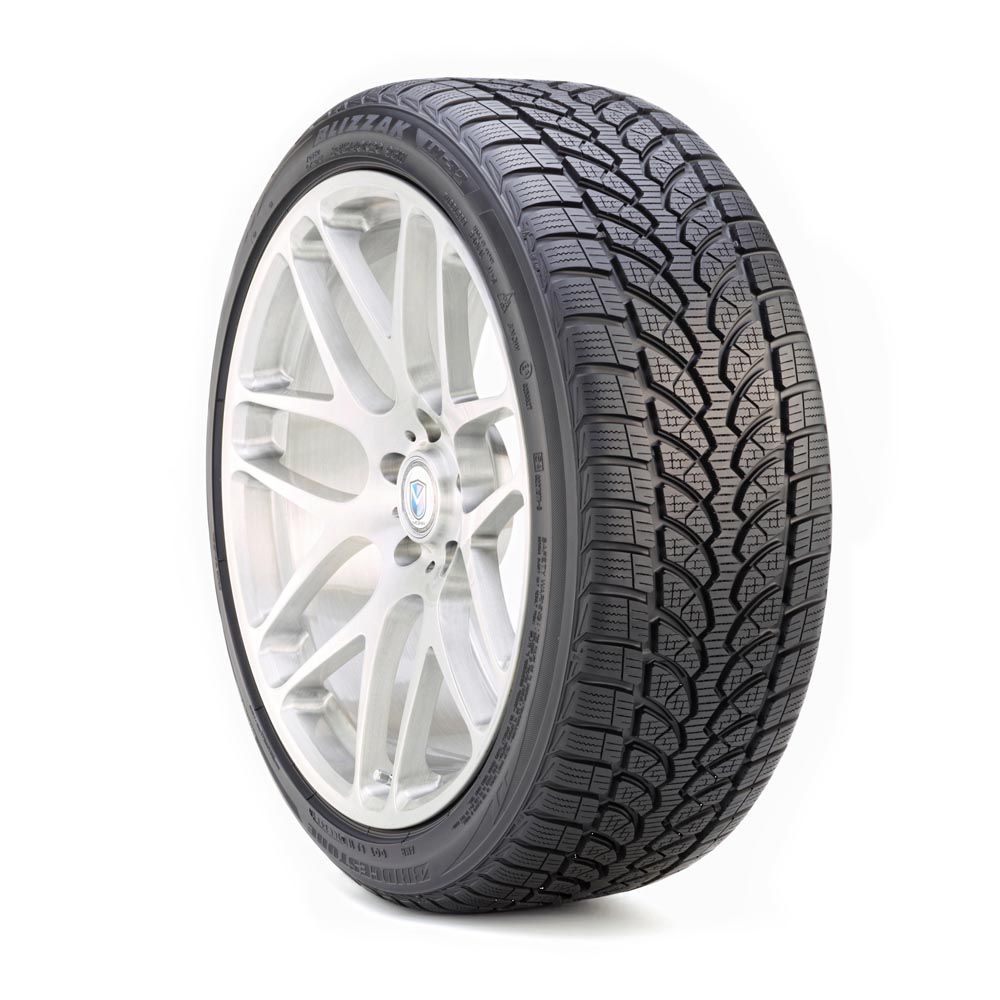
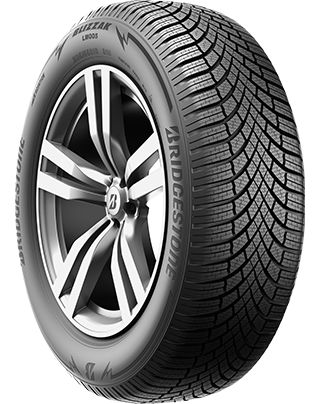
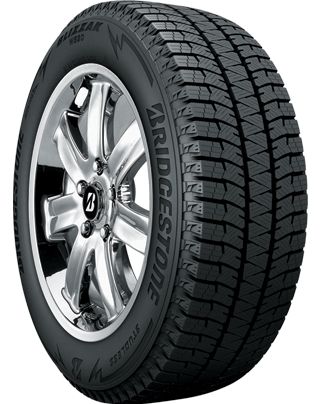
BRIDGESTONE BLIZZAK TIRES
These Blizzak winter snow tires are made to stand up to all winter weather conditions, with enhanced grip, flex, and bite. Enjoy confident driving no matter the forecast.
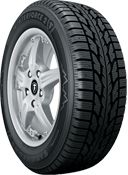
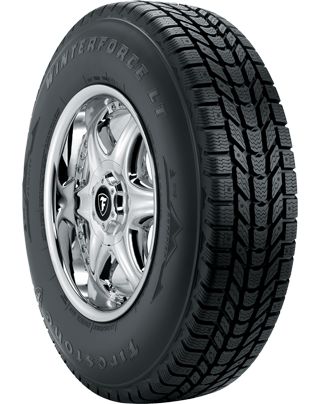
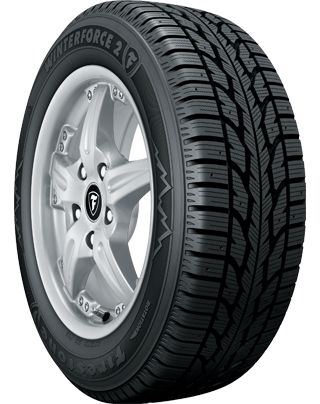
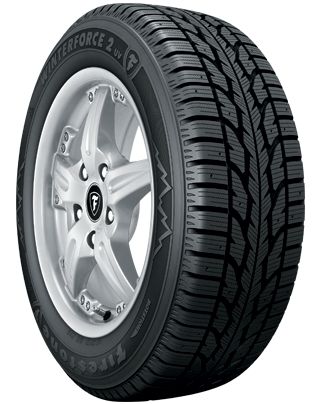
FIRESTONE WINTERFORCE TIRES
Winterforce tires offer solid traction in winter conditions with reliable braking on snow and slush, along with a comfortable ride for driver and passengers.
Learn More About Winter Tires
Winter weather can be unpredictable—but winter tires are engineered to handle anything from heavy snowfall to black ice. Available in a range of sizes for all types of vehicles, winter tires (AKA snow tires) can provide peace of mind if you live in an area with extreme weather and cold temperatures. Winter tires come with a tread design that easily digs into snow and grips ice, making them perfect for slippery winter driving conditions.

WINTER IS COMING
3 Things to Know About Winter Tires
The right time to switch to winter tires depends on the weather in your area. Trying to predict the first snowfall and time your tire switch can be hit or miss and change from year to year—but in general once the temperature is consistently below 45 degrees Fahrenheit, you should have your snow tires on.
All-season essentially means three-season—spring, summer, and fall. While all-season tires are acceptable in light winter conditions, sub-zero temperatures and extreme snow and ice call for dedicated winter tires. From their tread pattern to the rubber compound, winter tires are designed to take on the harshest winter conditions.
Winter tires are made with a type of rubber compound engineered to stay flexible in the extreme cold and hot pavement can cause it to wear out much faster. Once the weather starts to warm up, we recommend switching your winter tires out for summer or all-season tires—it will keep your winter tires in good condition for longer and ultimately help save you money.