






Batteries
Can a Car Battery Die While Driving?
A car battery can die mid-drive—and it’s not always the battery. Explore four common causes of this issue, warning signs, and how to prevent repeat problems.
Read More
Your car battery is most likely to die during winter. Don't let the weather leave you stranded. Get the best car battery for cold weather and visit Firestone Complete Auto Care today!
The winter season is the most likely time for a car or truck battery to die. The You may think it's the cold weather that simply zaps the battery's energy, but this isn't the case. Summer's excessive heat is harsher on car batteries than cold weather, though freezing temperatures can certainly contribute to shortening your battery's life. Oftentimes, waiting until the deep freeze of winter to replace your battery is too late. Cold weather could pretty much make that heat worn battery "dead on arrival." While car batteries shouldn't be changed from season to season like tires, some batteries do tend to perform better in certain climates.
As you now know, car and truck batteries are most likely to fail in the winter and fail after a season of being worn down and drained by the summer heat. Avoid the hassle of a dead battery by taking these precautions during colder months:
From inspection to installation, we'll take care of your car battery at Firestone Complete Auto Care in a way that's safe and effective. When we handle the full service of your vehicle you can trust our auto battery warranty and specialty fail-safe installation service that keeps your car's computer and electrical system is safe and intact. Let us get to know you and your vehicle. Call or stop by to make an appointment with us today.
A car battery can die mid-drive—and it’s not always the battery. Explore four common causes of this issue, warning signs, and how to prevent repeat problems.
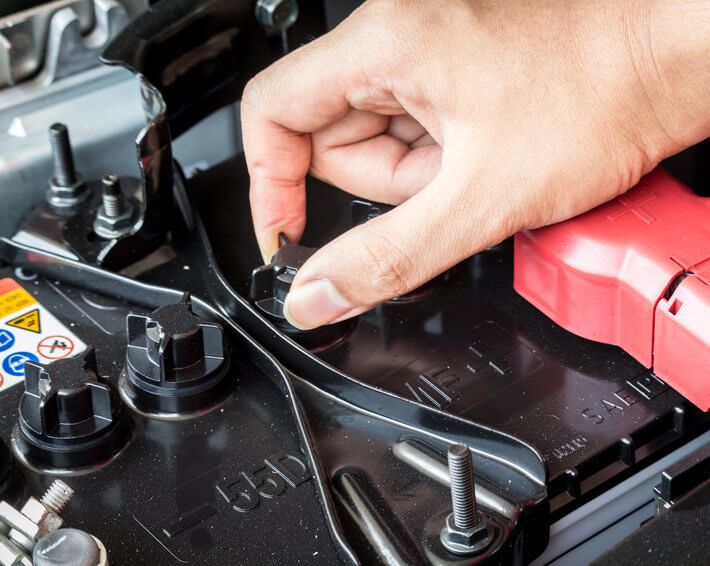
Got a dead battery and a doctors appointment to get to? Learn how to charge a car battery with a charger or jumper cables, with Firestone Complete Auto Care.
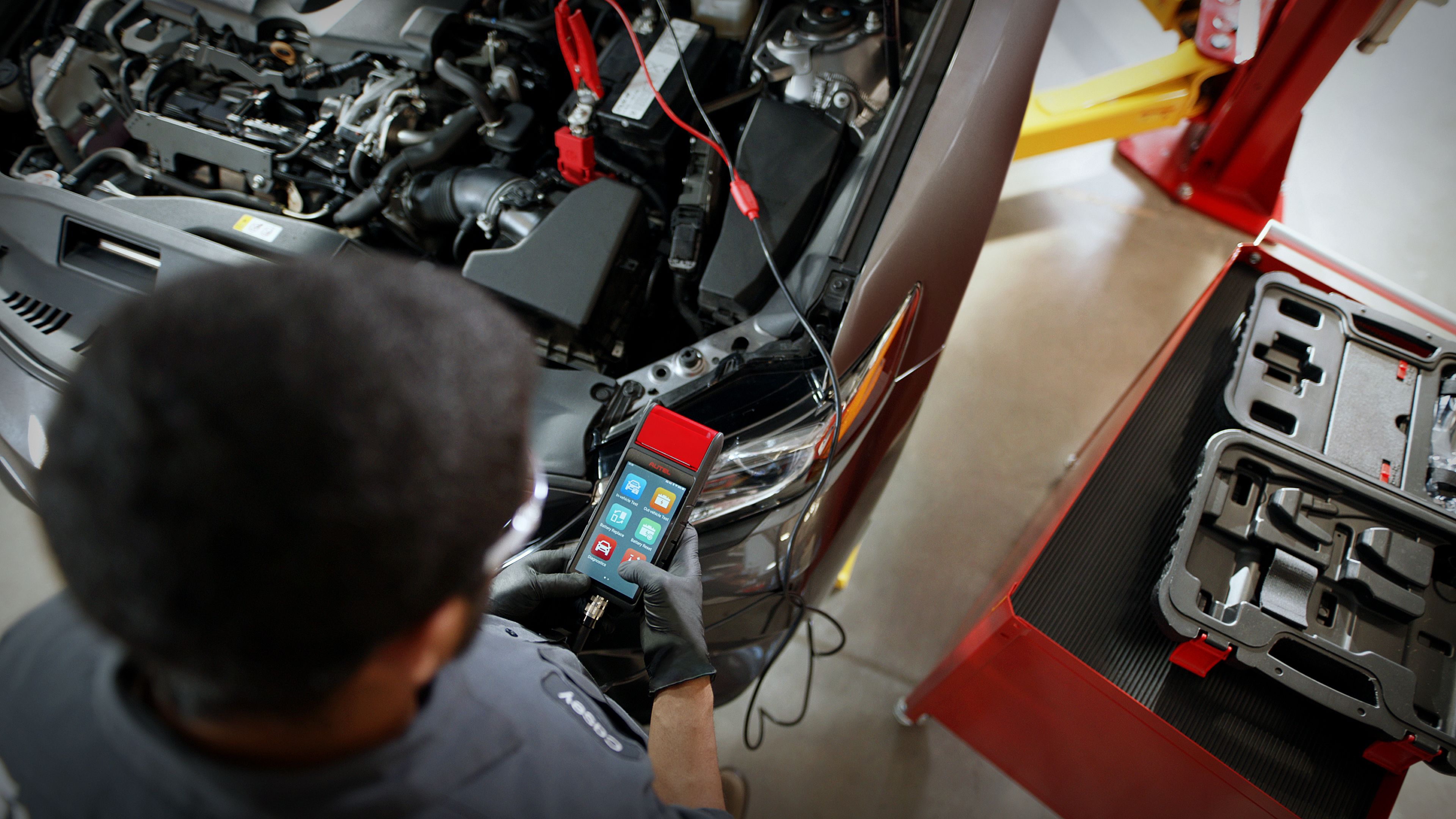
Learn what normal vehicle battery voltage should be, what causes out-of-spec voltage, and how to keep your car battery healthy — especially before winter hits.