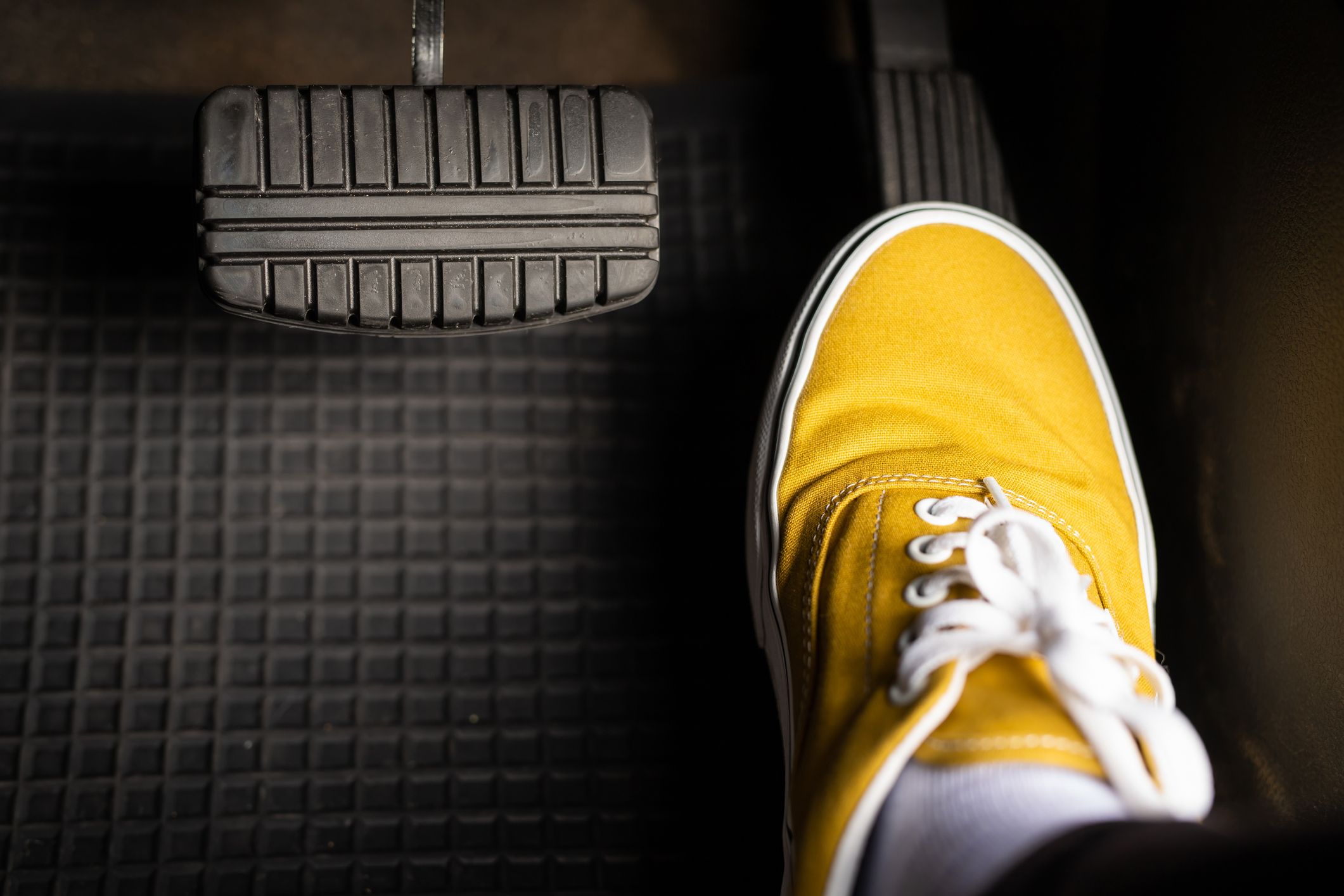
If you notice your car shuddering when braking, or feel the steering wheel pulse or vibrate when you slow down, there’s a good chance you’re dealing with brake shudder. Brake shudder can be dangerous, and it’s not something you want to ignore. So, let’s explore what brake shudder is, why it occurs, and what you can do about it.
Key Takeaways
- Brake shudder can make your entire car shake when braking, but sometimes symptoms are more subtle, like a pulsing brake pedal or a vibration in the steering wheel.
- Common causes of brake shudder include warped brake rotors, worn brake pads, sticking brake calipers, and debris or corrosion that prevents proper contact with the rotors.
- If your car shudders when applying the brakes, it’s not something to ignore. A professional inspection can locate the exact cause of the issue so that you can get your vehicle fixed and back on the road ASAP.
What is Brake Shudder?
Brake shudder, sometimes called brake judder, is a noticeable vibration or pulsing that happens when you apply the brakes. Depending on the vehicle and severity, you may feel brake judder through the steering wheel, brake pedal, or even throughout the entire vehicle’s suspension. Shuddering may start subtly — just a slight shake during heavier stops or highway braking — but it shouldn’t be ignored, since it rarely (if ever) fixes itself.
Ultimately, no matter how subtle the vibration is, it indicates a not-so-subtle issue: uneven braking force. In a healthy brake system, the brake pads clamp down evenly on the brake rotors, resulting in smooth, predictable stopping power. When that balance gets thrown off by something, whether it's uneven rotor wear, a sticking caliper, or other damaged components, it can create uneven braking forces that cause excessive wear on components and vibrations you can feel while stopping.
Is Brake Shudder Dangerous?
In a word? Yes. Your vehicle may still stop, but that doesn’t mean everything is okay. When the brakes aren’t applying themselves evenly, stopping can feel inconsistent.
Maybe it’s just a small vibration right now. But over time, brake shudder tends to get worse. It can affect how confident you feel behind the wheel, especially in moments when you need your brakes to respond immediately, such as during sudden stops, heavy traffic, or bad weather.
It can also increase wear and tear on related components, potentially turning a smaller brake issue into a more expensive repair down the road.
Common Brake Shudder Causes
There are several common culprits behind brake shudder, most of which stem from uneven surfaces or components that no longer move correctly:
Warped Brake Rotors
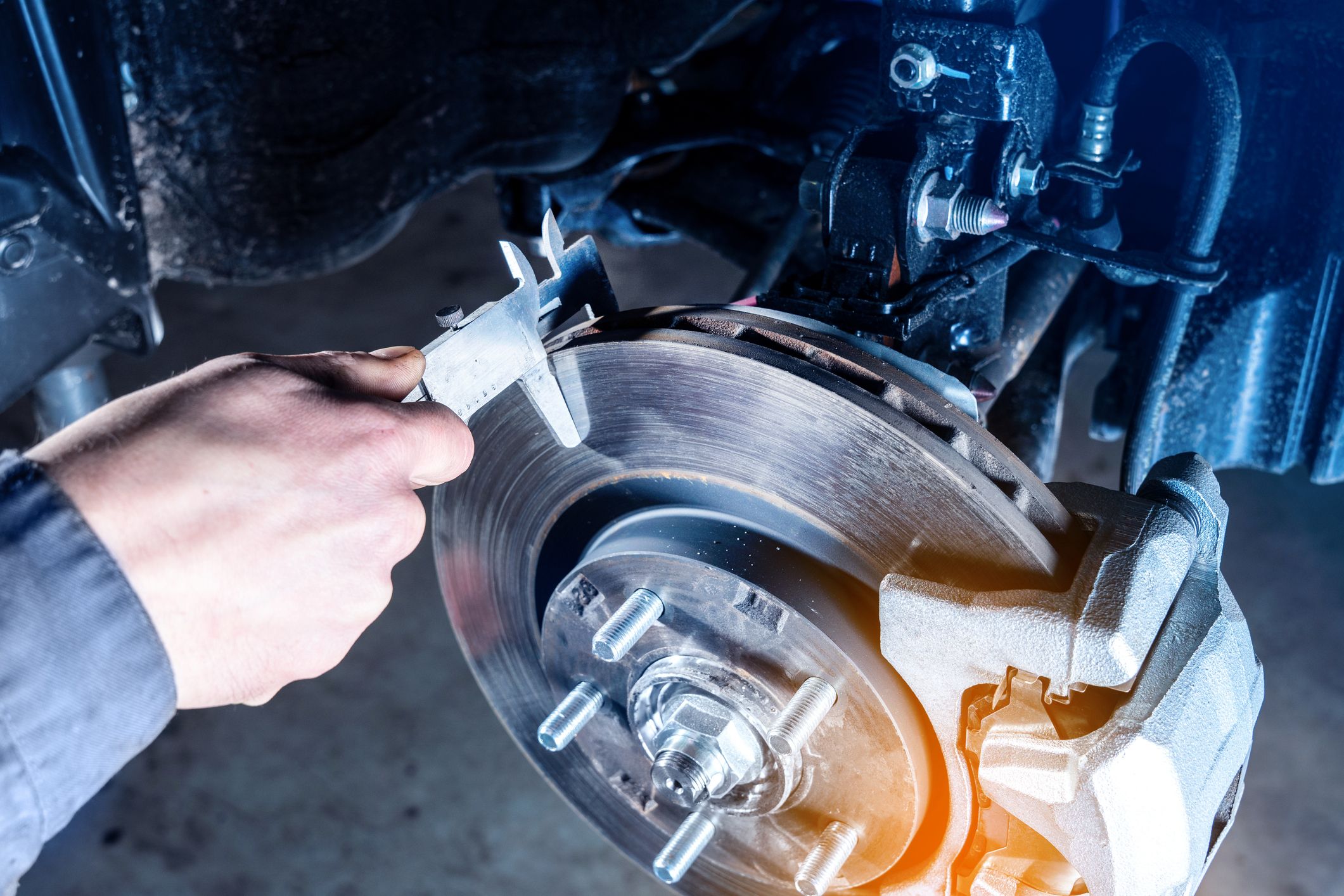
This is one of the most common causes of brake shudder, since even small changes in rotor shape can create uneven friction during braking. From the factory, your brake rotors should look like perfectly flat plates. But over time, repeated exposure to excessive heat from aggressive braking or riding the brakes on declines can cause rotor warping, where that perfectly flat plate is no longer flat.
It’s worth noting that truly warped rotors are actually quite rare, but a phenomenon called disc thickness variation (DTV) is much more common. When DTV occurs, you end up with high and low spots in your rotor, preventing the brake pads from sitting/clamping evenly as the wheels turn. Regardless, both warped rotors and DTV cause the same symptoms: pulsing, shaking, and/or vibration during braking.
Worn or Improperly Bedded Brake Pads
Your brake pads are designed to wear gradually and evenly. When pads wear irregularly, they no longer make smooth contact across the rotor surface. That creates inconsistent friction and a noticeable shake. Using quality brake pads and inspecting them according to your vehicle’s manufacturer-recommended maintenance schedule can help prevent this issue.
Sticking Brake Calipers and Components
Your brake calipers are supposed to apply pressure evenly, then release cleanly when you let off the pedal. When a caliper or its components start sticking (even slightly), it can keep one pad pressed harder against the rotor than the others. This can lead to hot spots, uneven rotor wear (DTV), and brake shudder. Often, this issue is also accompanied by a pull to one side as your vehicle stops.
Debris or Corrosion Between Components
Rust, dirt, and even leftover brake pad material can build up between the brake pad and rotor. When that happens, the pads can’t make even contact with the rotors. Instead, they grab and release unevenly as the wheel turns, essentially simulating the varying disc thickness we explained earlier.
Corrosion can also reduce stopping power by limiting proper pad contact, especially if the vehicle sat for a long period or was exposed to road salt and moisture. Depending on the severity of the rust, proper brake service may correct the issue. However, in severe cases, replacing the brake components may be the safer long-term solution.
Other Mechanical Issues
If you’re experiencing brake shudder, but know that your brakes are in good condition, the issue might not be related to your brakes at all. Worn suspension components, loose steering parts, damaged wheel bearings, or poor wheel alignment can all amplify vibration during braking (or mimic brake shudder entirely).
How to Fix Brake Shudder
Unfortunately, there’s no universal fix for brake shudder, since the right repair depends entirely on what’s causing it. And as you now know, brake judder can stem from any number of issues. So, until the root cause is identified, any repair is just guesswork. That’s why the first step is always a professional brake inspection.
A thorough brake inspection from Firestone Complete Auto Care evaluates the entire braking system, including the state of your brake pads, calipers, rotors, and related hardware, to determine exactly where the problem lies. From there, we can recommend the best solution, whether that involves restoring worn components, correcting uneven wear, or replacing damaged parts.
Do Your Brakes Shudder When Stopping? Firestone Complete Auto Care Can Help
Firestone Complete Auto Care offers free brake inspections so technicians can evaluate brake pads, rotors, and calipers for signs of uneven wear or heat damage. Our technicians can also check for related issues such as sticking calipers or worn hardware that may contribute to vibration. Visit our Offers page to see whether a brake inspection coupon is currently available. Then, stop by your local store to ensure your vehicle stops the way it was designed to: safely, smoothly, and with confidence.
Article Development Supported & Reviewed By:
Firestone Complete Auto Care’s Technical Operations Team
The Firestone Complete Auto Care’s Technical Operations Team is composed of ASE certified technicians with over 70 years of combined experience. ASE certification represents the highest standard of technical training in the automotive industry. Guided by Firestone Complete Auto Care’s rigorous editorial standards, our team delivers timely, detailed, and practical resources drivers can trust to keep their vehicles running newer, longer.