Most drivers know they need regular oil changes, but not everyone knows what can happen when old oil is left too long. One of the biggest risks is sludge. Fortunately, engine sludge doesn’t form overnight; it accumulates over time. Unfortunately, that also means that it can occur without an obvious warning until it affects performance (or worse, causes internal damage).
So, if you’re overdue for an oil change or think your engine might be suffering from sludge, keep reading. We’ll discuss what causes engine sludge, the symptoms to watch for, and what you should do about it.
Key Takeaways
- Engine sludge is a thick buildup that forms when engine oil breaks down and collects contaminants.
- Sludge can reduce lubrication by restricting oil flow, increasing the risk of overheating or premature wear.
- Missed oil changes, frequent short trips, using the wrong oil type, and poor maintenance can all lead to engine sludge.
- Depending on severity, oil sludge can cause performance issues, unusual noises, warning lights, or visible buildup under the oil cap.
- Bringing your car in for routine oil services and professional inspections is one of the best ways to prevent sludge and maximize engine longevity.
Sludge in Oil: What is It?
Put simply, oil sludge is a thick, sticky gel that forms inside your engine. You can think of it like this: oil sludge is to your engine what bad cholesterol is to your arteries.
Over time, heat, moisture, debris, and combustion byproducts break down motor oil. When that happens, it loses its ability to protect vital engine components. Instead of flowing freely through narrow oil passages, the oil becomes a chunky substance that forms deposits throughout your engine.
If you think that sounds bad, it’s because it is. Your engine depends on clean oil to reduce friction, regulate temperature, and reduce wear. When sludge forms, it can slow oil flow, resulting in increased friction, overheating, and premature wear. In severe cases, it can even cause catastrophic engine failure.
What Causes Sludge in an Engine
The answer usually comes down to a few preventable habits. In most cases, sludge develops when oil breaks down faster than it should or when contaminants accumulate over time. Common causes include, but are not limited to:
- Infrequent Oil Changes: This is the most common cause. As oil ages, it loses the additives that help it protect your engine. Once that happens, contaminants begin to build up, accelerating the formation of sludge. Skipping service once might not be a big deal, but repeated delays can cause major issues.
- Frequent Short Trips: Short drives can be surprisingly hard on your engine. If your vehicle rarely reaches full operating temperature, moisture and fuel vapors may not burn off completely. When they don’t, they stay in the oil, and, over time, moisture contributes to sludge formation.
- Overheating: When your engine overheats, it can cause your oil to break down at the molecular level, creating sludge and varnish much faster than it would otherwise.
- Using the Wrong Oil Type: Not every engine needs the same oil. Using the wrong viscosity (or ignoring the manufacturer’s recommended oil) can reduce protection and encourage the formation of deposits.
- Poor Maintenance: Neglected oil filters, ignored warning lights, and overdue service intervals can all contribute to sludge buildup. Even high-quality motor oil can only do so much if routine maintenance is overlooked.
Symptoms of Engine Oil Sludge
One reason engine sludge can be so problematic is that it usually develops slowly, so symptoms don’t always appear right away. In the early stages, your engine may seem perfectly normal, even as buildup eats away at its health from the inside. That’s why routine service is crucial to your engine’s performance and longevity. Regular inspections can catch sludge before it becomes a costly repair.
If you think oil sludge might’ve gotten to your engine, here’s what you should watch out for:
- Reduced Engine Performance: One of the most common signs of engine sludge is a noticeable drop in performance. Your vehicle may not run smoothly; it might feel sluggish, hesitate during acceleration, or idle more roughly than usual.
- Unusual Engine Noises: Ticking, tapping, or knocking sounds can happen during metal-on-metal contact (A.K.A. when internal parts aren’t being lubricated as they should be).
- Visible Sludge Under the Oil Cap or Outside the Engine: Sometimes the evidence is easy to spot. If you remove the oil cap and notice thick, dark residue (or light colored gel that looks like mayonnaise) underneath, you may have sludge in your oil. In more advanced cases, you may even notice oil outside your engine, as increased crankcase pressure from sludge can force it onto valve covers or through weak seals.
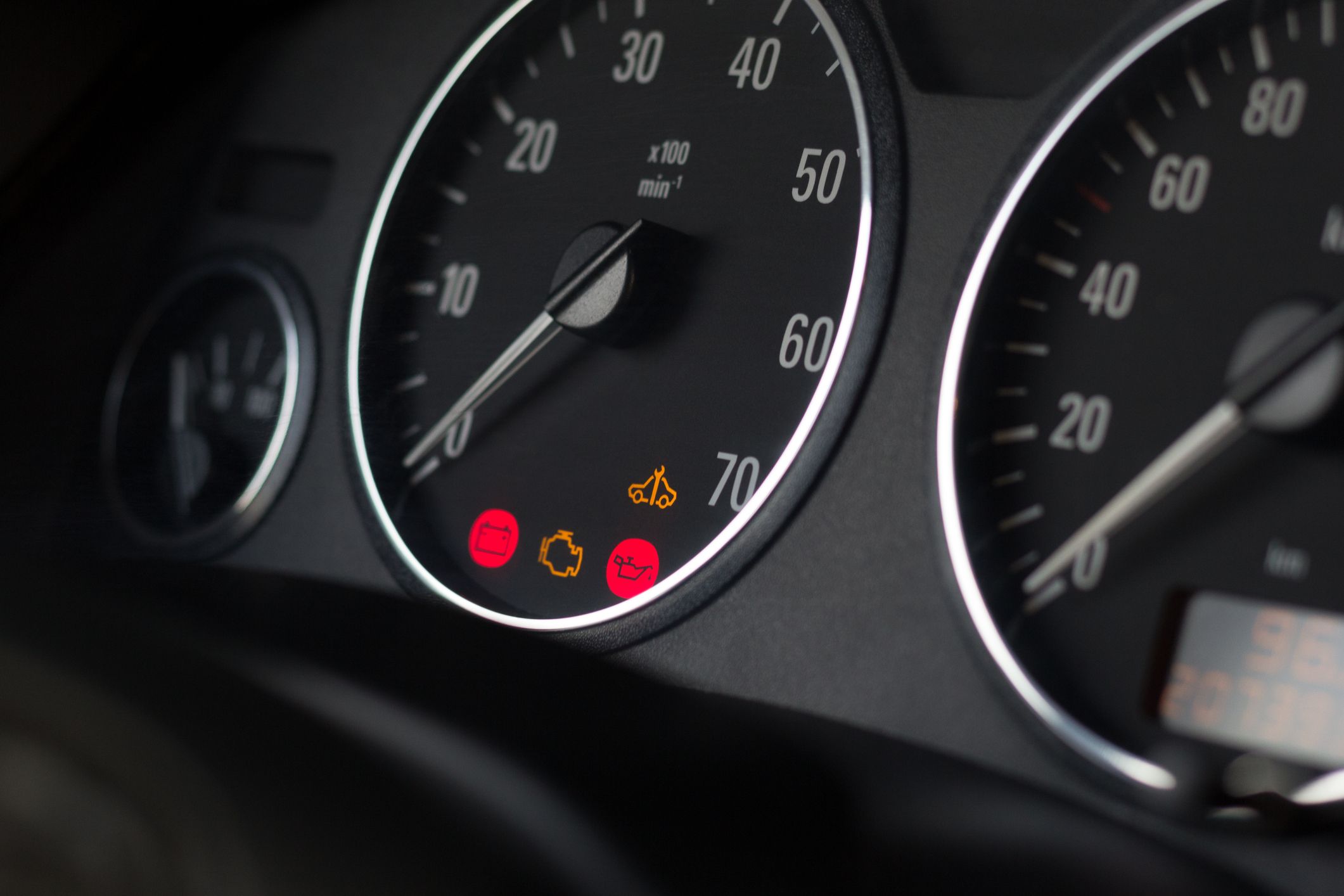
- Warning Lights: Dashboard warnings don’t always mean sludge, but they should never be ignored. A drop in oil pressure caused by clogged passages can trigger your oil warning light. In some cases, the check engine light may also appear if sludge begins affecting overall engine performance.
The good news is that sludge buildup is typically preventable and even manageable when caught early. Consistent maintenance, timely oil changes, and professional inspections can help prevent sludge, protect your engine, and prevent more serious problems down the road.
How to Remove Sludge from Your Engine
When cleaning oil sludge from engine components, the right solution depends on the extent of the buildup. Mild cases may only require fresh, high-quality oil and a new filter. In cases of severe sludge, more extensive mechanical cleaning by a qualified technician may be required.
To truly get to the bottom of your issue, we recommend a professional diagnostic. One of our trained technicians can evaluate your oil’s condition, inspect for early signs of buildup, and recommend the appropriate service interval to keep your engine clean moving forward.
Looking to Desludge Your Engine?
Engine sludge can build up gradually, but regular maintenance can help keep your engine clean and protected. Firestone Complete Auto Care offers oil change services, engine cleaning solutions, and diagnostics to help reduce buildup and maintain proper engine lubrication. Our technicians can check oil condition, recommend the right oil for your vehicle, and identify signs of sludge before they impact performance. Schedule an appointment today!
--
Article Development Supported & Reviewed By:
Firestone Complete Auto Care’s Technical Operations Team
The Firestone Complete Auto Care’s Technical Operations Team is composed of ASE certified technicians with over 70 years of combined experience. ASE certification represents the highest standard of technical training in the automotive industry. Guided by Firestone Complete Auto Care’s rigorous editorial standards, our team delivers timely, detailed, and practical resources drivers can trust to keep their vehicles running newer, longer.